- (808) 427-5129
- 2914 Kahawai Street, Honolulu, HI 96822
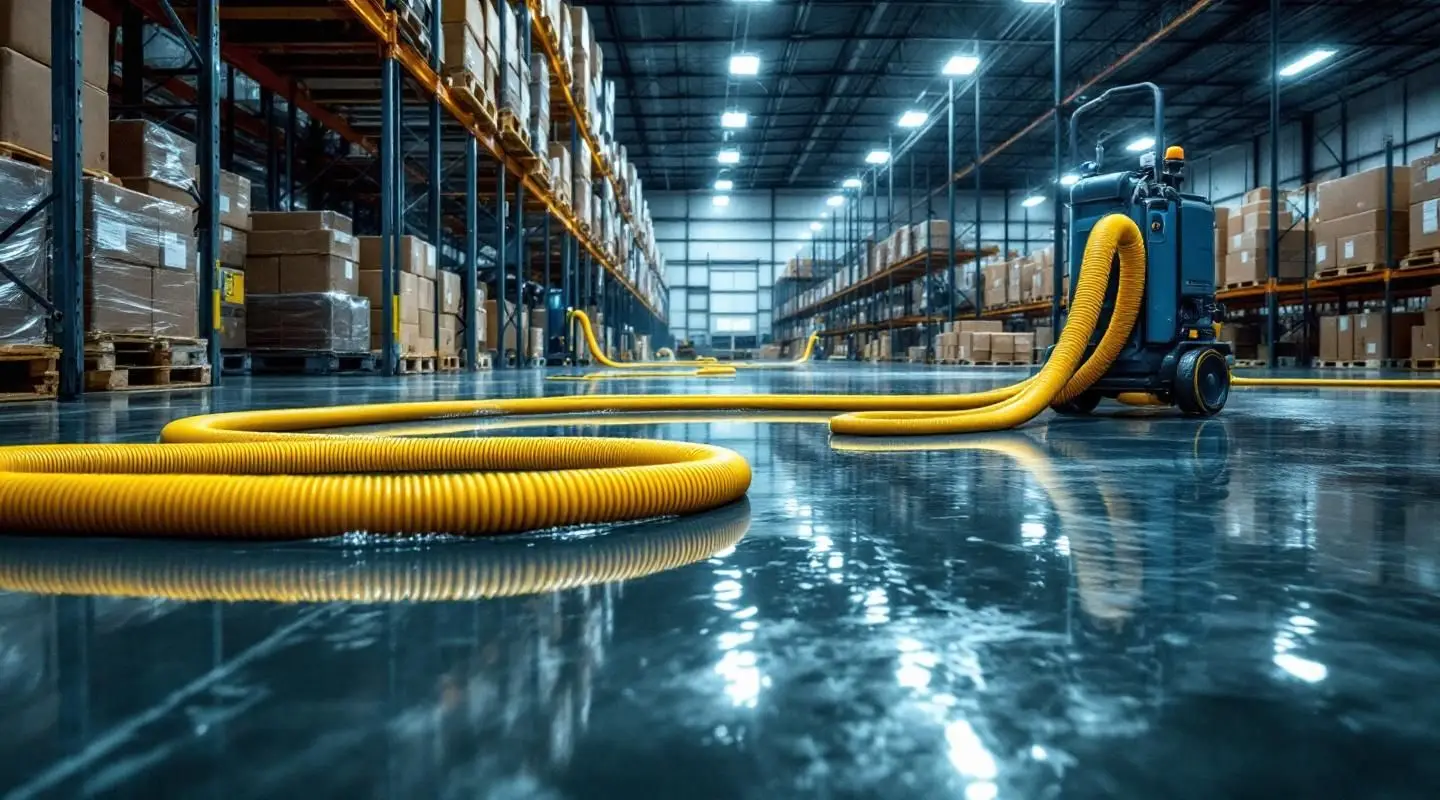
When a water main breaks or a tropical storm overwhelms the drainage systems at your facility, the clock starts ticking against your inventory and your concrete slab. In industrial zones like Mapunapuna or Kalihi, a few inches of standing water can quickly escalate into a logistical nightmare that halts fulfillment and threatens your structural integrity. You aren’t just looking for a cleanup crew; you need a team that understands the physics of large-loss restoration in Hawaii’s unique climate. We specialize in rapid-response industrial water extraction designed to get your forklifts moving again before secondary damage takes hold.
Our approach centers on high-volume submersible pump deployment and truck-mounted extractor units that can pull thousands of gallons from your warehouse floor in a fraction of the time a standard shop-vac would require. We don’t just guess where the moisture is hiding. Our experienced technicians use thermal imaging inspection and moisture mapping to find water trapped beneath racking systems or inside wall cavities. By identifying these hidden pockets early, we prevent the long-term corrosion of fleet vehicles and the degradation of your concrete slab drying process. We know that every hour your loading dock is out of commission represents a breach in your supply chain, so we prioritize the high-traffic areas first.
Because Honolulu’s ambient humidity rarely drops below 60 percent, simply removing the liquid isn’t enough. We follow the IICRC S500 standard for professional water damage restoration, which means we transition immediately from extraction to commercial dehumidification. We use large-scale desiccant dehumidifiers to pull moisture from the air, fighting the “island effect” that often causes mainland-style drying efforts to fail. You’ll receive detailed psychrometric readings and moisture logs throughout the process, providing the documentation your insurance coordinator needs to process a commercial claim without unnecessary friction. Our crew works around your active inventory whenever possible, ensuring that your operations can continue in unaffected zones while we stabilize the environment.
When your facility in Honolulu faces a category 2 water intrusion, every hour of standing water translates directly into lost revenue and potential breach of fulfillment contracts. Professional warehouse water extraction isn’t just about removing the visible puddles; it’s about stabilizing the environment before the island’s 60% average humidity triggers rapid mold growth within your racking systems. We focus on rapid standing water removal to get your forklifts moving and your loading docks clear, ensuring that a localized flood doesn’t become a total operational shutdown. You need a crew that understands how water behaves on a massive scale, especially when it begins to seep into the porous surface of a concrete slab.
By deploying high-volume truck-mounted extractors, we pull thousands of gallons from your floor in a fraction of the time it takes for standard portable pumps. Our experienced technicians use moisture mapping and thermal imaging to find water that has migrated under heavy machinery or into mezzanine wall cavities where it can cause hidden structural rot. By strictly following the IICRC S500 standard, we ensure that the industrial water extraction process is documented thoroughly. This provides your insurance adjusters with the precise psychrometric readings and moisture logs they need to process commercial claims without the typical friction or delays often found in large-loss events.
Minimize operational downtime to protect your fulfillment deadlines and supply chain contracts.
Prevent moisture migration into inventory and racking systems to avoid secondary mold damage.
Accelerate concrete slab drying using commercial dehumidification tailored for Hawaii’s high humidity.
Detailed moisture logs and photo documentation for seamless commercial insurance claim processing.
Eliminate secondary damage risks like metal corrosion on fleet vehicles and warehouse equipment.
When a tropical storm or a burst main hits industrial zones like Kalihi or Mapunapuna, every hour counts. We prioritize rapid mobilization because standing water can compromise racking systems and inventory within a day. Our crew provides Warehouse Water Extraction in Honolulu 24/7, typically arriving within hours to deploy submersible pumps and high-volume extractors. We understand that your fulfillment contracts depend on uptime. By acting fast, we prevent Category 2 water from becoming a more hazardous Category 3 event, which would require much costlier disposal and PPE protocols under Hawaii Department of Health guidelines.
Standard residential gear won’t touch a 20,000-square-foot facility. For effective Warehouse Water Extraction in Honolulu, we use high-volume truck-mounted extractors and industrial-grade desiccant dehumidifiers. These units are essential because Oahu’s ambient humidity often exceeds 60%, which naturally fights against the drying process. We don’t just pull water off the surface; we use moisture mapping to ensure the concrete slab itself is dry. If you are curious about the specialized tools our team brings to these large-loss sites, we maintain a local inventory of equipment specifically sized for Hawaii’s industrial corridors.
Navigating a commercial claim requires more than just a few photos. For every Warehouse Water Extraction in Honolulu, we provide comprehensive documentation following the IICRC S500 standard. This includes daily psychrometric readings, moisture logs, and thermal imaging reports that prove the facility reached a “dry standard.” Insurance adjusters need this level of detail to approve large-loss payouts without friction. We work directly with your coordinators to ensure the data we collect supports your claim, focusing on the specific impact to your inventory staging areas and mezzanine levels to minimize financial surprises.
We know that halting operations is often more expensive than the restoration itself. During Warehouse Water Extraction in Honolulu, we often work in phases to keep your loading docks or critical picking lines active. By using moisture mapping, we identify which zones are high-risk and which can remain operational. Our technicians are trained to work around active racking and heavy machinery without causing secondary damage. We focus on rapid standing water removal first to clear the floor, then transition to commercial dehumidification that runs in the background while your team continues their work.
Concrete is porous and acts like a sponge, often holding moisture long after the surface looks dry. If you ignore this, you risk floor coating failure or mold growth under stored pallets. Our approach to Warehouse Water Extraction in Honolulu involves using thermal imaging inspection to find these hidden pockets. We don’t guess; we use psychrometric drying science to monitor the air and material moisture levels until they stabilize. This is particularly vital for fleet operators or businesses storing electronics, where trapped humidity can lead to long-term corrosion and electrical failures if not properly managed.
Every hour that standing water sits on your concrete slab increases the risk of moisture wicking into your racking systems and inventory. In Honolulu’s year-round high humidity, a flooded loading dock or staging area can quickly turn into a mold liability if you do not act within the first 24 to 48 hours. Our experienced technicians arrive with high-capacity truck-mounted extractors and industrial-grade desiccant dehumidifiers to stabilize your facility before secondary damage takes hold.
Do not let a category 2 water intrusion halt your fulfillment operations or breach your storage contracts. We provide the detailed moisture mapping and photo documentation your insurance adjuster requires to move your commercial claim forward without the typical friction. Contact 1808 RESTORATION now for immediate industrial water extraction and get your facility back to full capacity.
In an industrial setting, the stakes of water intrusion are significantly higher than in a standard office or retail space. When thousands of square feet of concrete slab are submerged, you aren’t just dealing with a cleanup chore; you’re managing a potential halt in your entire supply chain. In Honolulu, where ambient humidity often sits above 60 percent, standing water doesn’t just evaporate—it migrates. Without rapid industrial water extraction, moisture seeps into the porous concrete and begins a slow climb up your racking systems. This creates a ticking clock for inventory loss and structural degradation that can’t be ignored by facility managers.
You might think a simple pump-out is enough, but hidden moisture is the real enemy of any warehouse operator. We use thermal imaging inspection and advanced moisture mapping to find water trapped behind mezzanine walls or beneath heavy equipment. If left unaddressed, a category 2 water intrusion can quickly degrade into a biohazard, especially in low-lying industrial corridors like Mapunapuna or Kalihi. Our team focuses on commercial dehumidification using high-capacity desiccant dehumidifiers to pull moisture from the air before it can condense on your cold-storage units or sensitive electronics, preventing the corrosion that ruins expensive machinery.
Delaying professional response often leads to secondary damage that insurance adjusters may scrutinize during a large-loss restoration claim. By deploying truck-mounted extractors and submersible pumps immediately, we stabilize the environment according to the IICRC S500 standard. This isn’t just about moving water; it’s about controlled concrete slab drying and maintaining precise psychrometric readings to prove the building is returning to its dry standard. We understand that your priority is keeping the loading docks moving, so we coordinate our work to minimize downtime and protect your fulfillment contracts.
Honolulu’s unique climate means that trade winds alone won’t dry a flooded warehouse floor. Because Hawaii’s year-round humidity actively resists natural evaporation, specialized equipment is a necessity, not an option. Our crew holds the necessary expertise to navigate these local challenges, ensuring that moisture doesn’t linger in the expansion joints of your warehouse floor. We provide the detailed documentation and moisture logs required for commercial insurance, helping you transition from a flood event back to full operational capacity without the lingering threat of mold growth or slab failure.
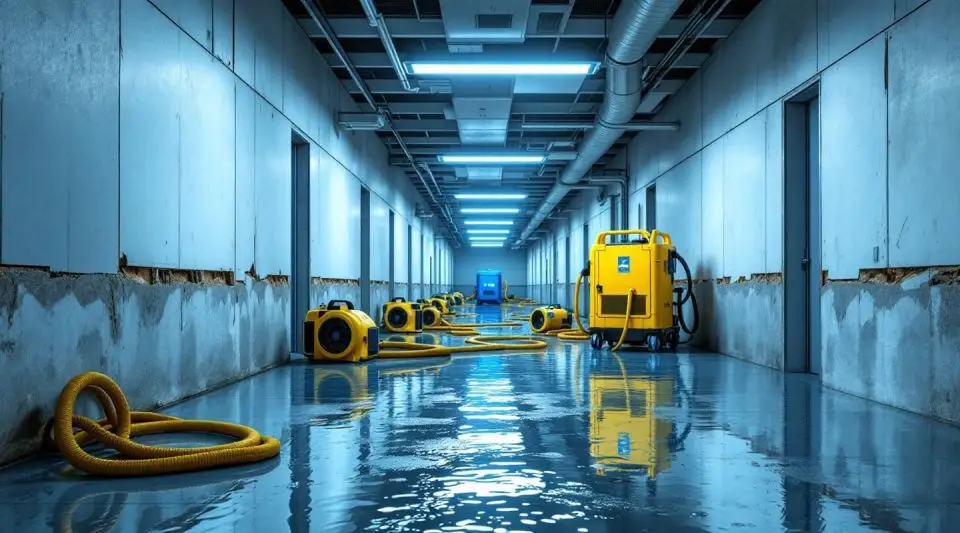
When a pipe bursts in a Kakaako high-rise or a Kona storm breaches the building envelope of your warehouse, the clock starts ticking against your bottom line.
Learn more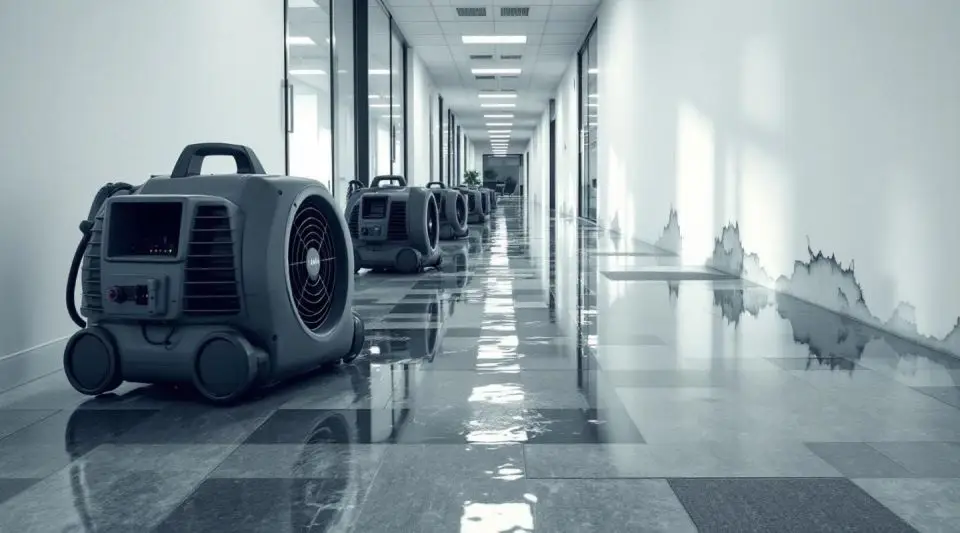
When a main line fails on the upper floor of a downtown Honolulu mid-rise or a Kona storm pushes water through the building envelope, the clock starts ticking against your lease agreements.
Learn more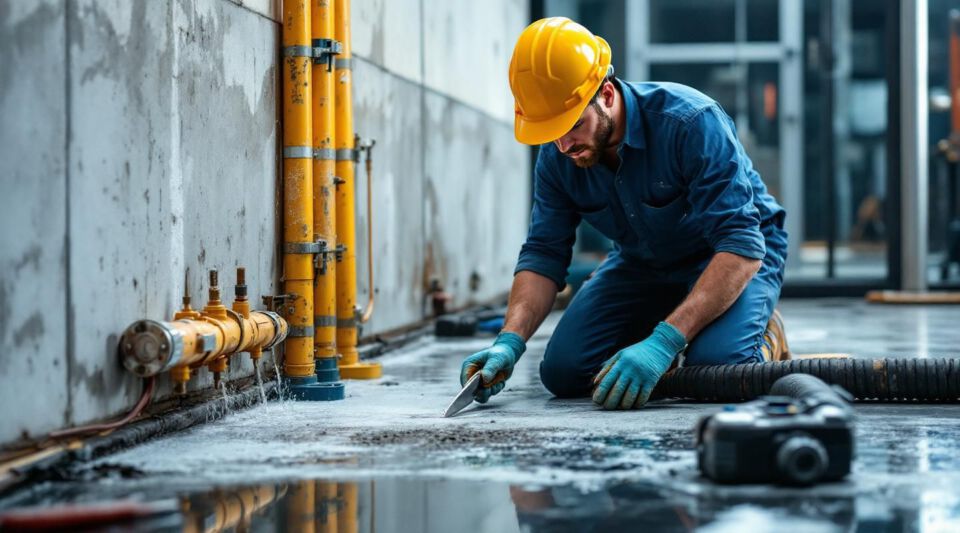
When a main water line breaks on the twelfth floor of a Waikiki high-rise, the clock starts ticking against your bottom line.
Learn more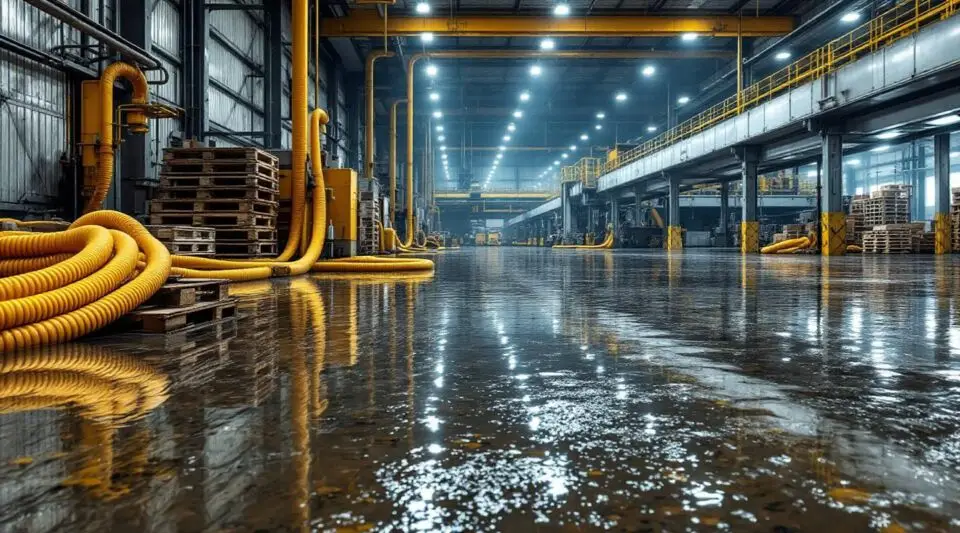
When a large-scale facility in Honolulu faces a sudden water intrusion, the clock doesn't just tick; it drains your bottom line.
Learn more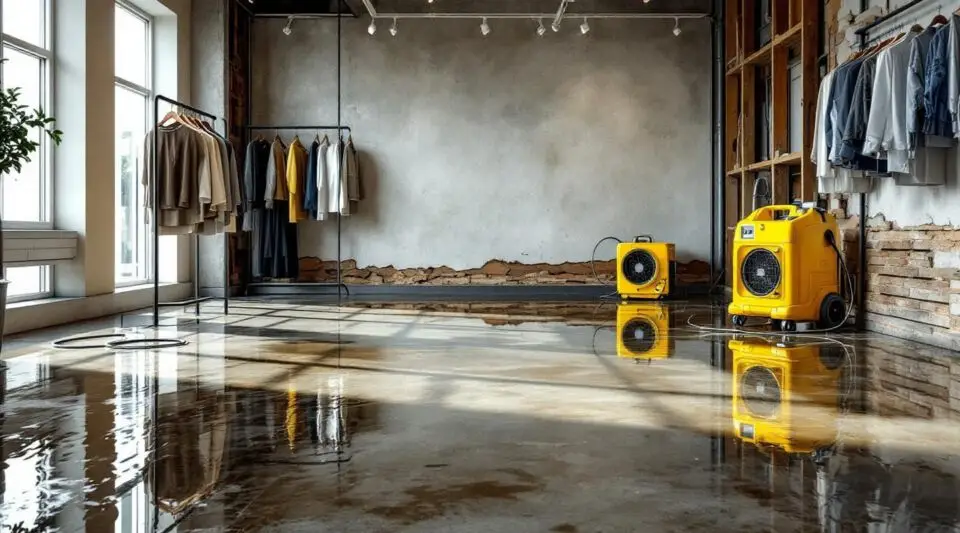
When a Kona storm pushes water through your front doors in Kaka’ako or a localized flash flood hits your Chinatown storefront, the clock starts ticking against your revenue.
Learn more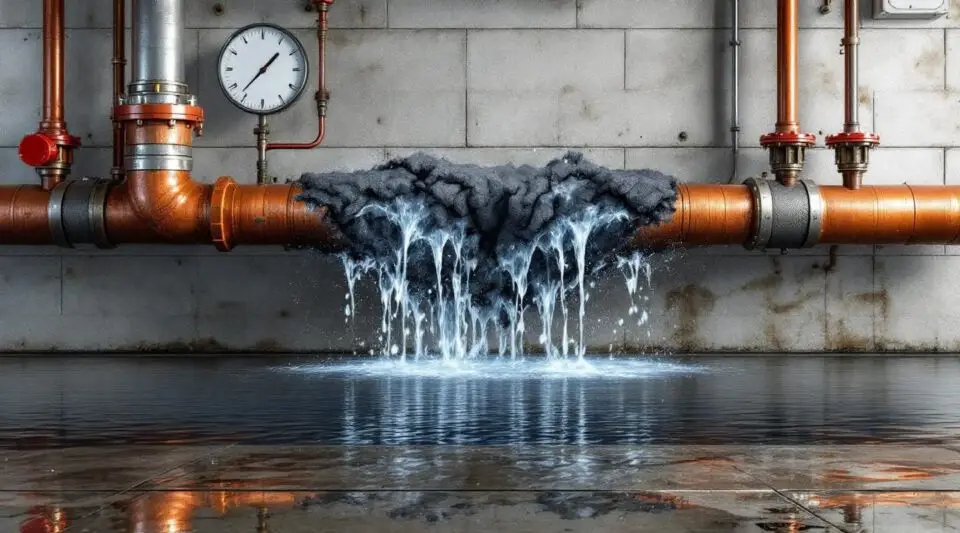
Our San Diego specialists provide rapid commercial pipe burst repair and industrial-strength drying to protect your inventory and minimize downtime during a plumbing emergency.
Learn more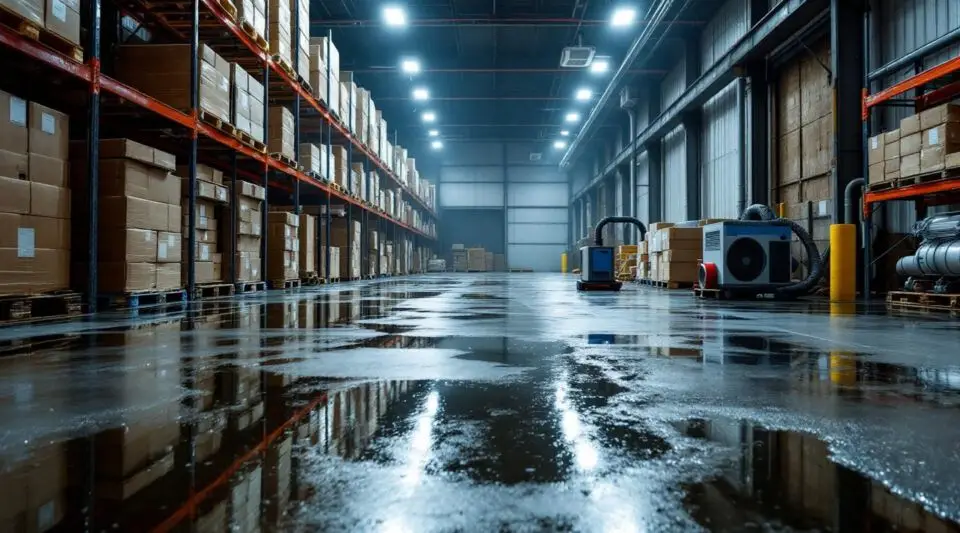
Honolulu warehouses face a unique set of environmental pressures, especially when a sudden pipe burst or a heavy Kona storm sends water rushing across a loading dock.
Learn moreI called 1808 RESTORATION since my house had a small flood. The crew arrived there quickly, looked at the damage, and explained the whole process of fixing it. They worked hard and paid close attention to make sure everything was dried and mended right. I enjoyed how professional and thorough the whole crew was. There were no surprises about the prices, which were straightforward and fair. They also gave fantastic advice on how to keep your home from becoming damaged by water in the future. In general, it was a terrific experience, and I would definitely call them again if I needed to.
Barbara Barnes
There was a lot of rain at my house, which damaged several of the flooring and walls. Right away, the people who remedy water damage called me back after I called them. First, they emptied the water, and then they tried to dry everything off completely. They did an excellent job and used instruments to detect moist spots that would have been hard to see otherwise. They started to work right away and did a great job cleaning my apartment. They also talked about how their method stops mold and damage from happening in the first place. There was a lot of happiness when the area was finally dry and ready to be mended.
Pamela Nguyen
When our basement flooded, I was quite happy that they came to help us so quickly. They used heavy tools to get the water out and made sure to look for hidden dampness behind walls and under floors.
Julie Howell
My water heater broke and flooded my house and I did not know where to start. I called this emergency water restoration company, and they were on it straight away. They performed a fast and effective emergency water removal service and completed a thorough water extraction service. The techs were very pleasant and explained everything well. It really helped to have folks who knew exactly what they were doing.
Cynthia Merriman
I liked that they were honest with us about the water damage in our bathroom. Instead of making the problem sound worse than it was, they focused on doing an excellent job of cleaning and drying everything. A gang you can trust.
Jennifer Cline