Warehouse Water Damage Cleanup Honolulu, HI
Fast-Response Industrial Water Extraction & Structural Drying to Keep Your Operations Moving
When a sudden Kona storm or a ruptured main line causes loading dock flooding, your entire supply chain can grind to a halt. In Honolulu's high-humidity environment, standing water on a massive concrete floor isn't just an inconvenience—it is a ticking clock for mold growth and structural decay. At 1808 Restoration, we understand that every hour your bays are out of commission translates directly to lost revenue and missed logistics deadlines. We deploy immediately with heavy-duty commercial water extraction equipment to clear the water and protect your facility's structural integrity.
Drying out an industrial space requires a highly calculated approach that goes far beyond simply mopping up the surface. Our team uses advanced moisture mapping to track how deep the water has migrated, especially into post-tensioned concrete slabs that are common in local industrial parks. Following the strict IICRC S500 standard, we assess whether you are dealing with a clean pipe break or a Category 2 water intrusion from storm runoff. This classification dictates our sanitation protocols and ensures we perform safe, compliant contaminated water removal to protect your workers and satisfy HIOSH standards.
To combat Hawaii's ambient humidity—which regularly hovers between 70 and 80 percent—we do not rely on standard residential fans. Our crew positions high-CFM air mover placement strategically alongside industrial-grade desiccant dehumidifier units to pull moisture directly from the air and the slab. We take daily psychrometric readings to document the drying process, providing the exact data your insurance adjuster needs to approve your claim. If your facility is facing a water emergency, our team in Honolulu is ready to respond 24/7 with the specialized fleet required for large-scale structural drying.
Our licensed operators handle warehouse water damage cleanup with upfront pricing, fully insured equipment, and 24/7 availability throughout Honolulu, HI.
Warehouse Water Damage Cleanup Honolulu, HI
Protecting Your Operations, Inventory, and Concrete Slab Integrity
When a water line breaks or a Kona storm floods your loading dock, the immediate threat isn't just the standing water. It is the invisible moisture migrating into your concrete floor and racking systems. In Hawaii's high ambient humidity, concrete acts like a hard sponge, pulling water deep into the slab. Our team uses advanced moisture mapping to track exactly where the water traveled, ensuring we do not leave hidden pockets that will later rot your drywall or compromise your structural steel. By deploying high-capacity desiccant dehumidifiers early, we pull moisture out of the air faster than the local humidity can feed it back in.
We understand that every hour your forklifts sit idle is an hour of lost revenue. That is why our commercial restoration in Honolulu focuses on strategic air mover placement to establish rapid evaporation paths without blocking your main transit lanes. We work around your shipping schedules, isolating affected bays so your crew can keep moving pallets safely. Our technicians follow the strict IICRC S500 standard, providing your insurance adjuster with detailed psychrometric readings and an itemized inventory damage assessment that prevents claim disputes before they start.
-
RAPID EXTRACTION — We extract standing water immediately to stop liquid from wicking into post-tensioned concrete slabs and racking uprights.
-
MOLD PREVENTION — Aggressive industrial dehumidification keeps indoor humidity below sixty percent, stopping mold spores before they can take hold.
-
CLAIMS DOCUMENTATION — We provide detailed psychrometric logs and moisture maps to satisfy strict corporate and insurance requirements.
-
OPERATIONAL CONTINUITY — By isolating flooded loading docks and bays, we keep your logistics and shipping schedules moving.
-
COMPLIANCE ASSURANCE — Our work adheres strictly to HIOSH safety standards, protecting your employees from contaminated water hazards.
Warehouse Water Damage Cleanup Honolulu, HI
Why Facility Managers in Honolulu Trust 1808 Restoration for Warehouse Water Damage Cleanup
When water floods an industrial facility, you cannot afford to wait for a national franchise to coordinate mainland resources or dispatch an inexperienced crew. At 1808 Restoration, we are locally owned and operated right here on Oahu, meaning we maintain a massive, on-island inventory of heavy-duty desiccant dehumidifiers and high-CFM air movers. We do not have to wait for shipping containers or cargo flights to arrive before we begin commercial water extraction and concrete slab drying. Our team understands how Hawaii’s high ambient humidity affects structural drying, and we deploy aggressive, psychrometric-driven drying plans tailored specifically to the local climate.
We hold a valid Hawaii C-37 specialty contractor license, ensuring all structural drying and mold prevention work meets strict local building codes and HIOSH safety standards. Every project is managed by our experienced technicians who are fully certified under the IICRC S500 standard. Unlike break-fix contractors who leave you with damp drywall and hidden moisture under post-tensioned concrete slabs, 1808 Restoration provides comprehensive moisture mapping and daily psychrometric logs. We work directly with your commercial insurance adjuster, providing the detailed documentation and itemized billing required to keep your claim moving forward without operational delays.
LOCALLY OWNED & OPERATED
Dispatchers and drivers who know your community.
GPS-TRACKED FLEET
Real-time ETAs and the closest available truck.
LICENSED PROFESSIONALS
Fully insured operators trained for safe recovery.
UPFRONT PRICING: Clear quotes before our truck rolls
no surprise fees.
Warehouse Water Damage Cleanup Honolulu, HI
Warehouse Water Damage FAQs
Warehouse Water Damage Cleanup Honolulu, HI
Why Prompt Warehouse Water Damage Cleanup Matters
When a logistics hub or storage facility faces sudden flooding, the clock immediately begins ticking against your bottom line. In Honolulu, where high ambient humidity frequently hovers around 80 percent, standing water does not simply evaporate; it actively degrades your property. A flooded loading dock halts receiving schedules, while Category 2 water intrusion from a storm or sewer backup requires immediate contaminated water removal to protect worker safety. Securing professional commercial water extraction in Honolulu is not just about aesthetics—it is about preventing complete operational paralysis.
Many facility managers assume that once visible standing water removal is complete, the danger has passed. However, concrete is highly porous. Water wicks deep into the slab, eventually reaching racking foundations and compromising structural integrity. By adhering strictly to the IICRC S500 standard, our experienced technicians use advanced moisture mapping to track hidden water pathways. Without targeted concrete slab drying and precise air mover placement, trapped moisture will inevitably rot drywall, corrode metal supports, and ruin nearby inventory.
To dry spaces of this scale, standard residential equipment is useless. We deploy high-capacity desiccant dehumidifier systems that pull massive volumes of moisture directly from the air, maintaining low vapor pressure even in Hawaii's tropical climate. Our crew monitors the environment daily, taking detailed psychrometric readings to ensure the structural drying process is moving at an optimal rate. This aggressive industrial dehumidification prevents mold from colonizing your warehouse within the critical 24-to-48-hour window, saving you from costly environmental remediation and potential HIOSH liability.
Finally, a delayed response can completely derail your commercial property insurance claim. Insurance adjusters require meticulous documentation to approve large-scale losses. We provide a comprehensive inventory damage assessment alongside detailed moisture logs to satisfy corporate procurement and risk management teams. By acting quickly, you protect your physical assets, maintain your supply chain, and secure the documentation needed to recover your losses without unnecessary administrative delays.
Our Honolulu Water Damage Restoration Services
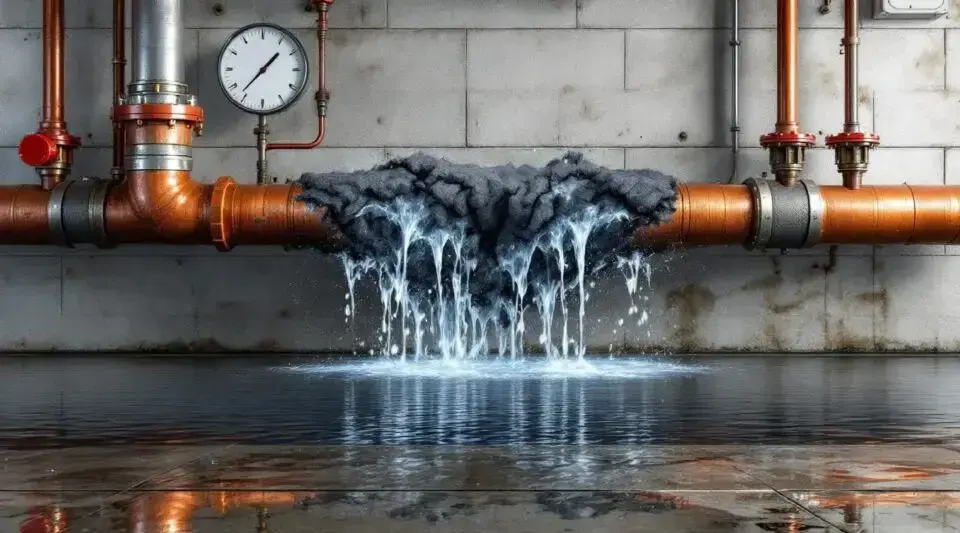
Commercial Pipe Burst Repair
When a pressurized pipe failure occurs in a commercial facility, you do not have hours to debate your next step.
View Service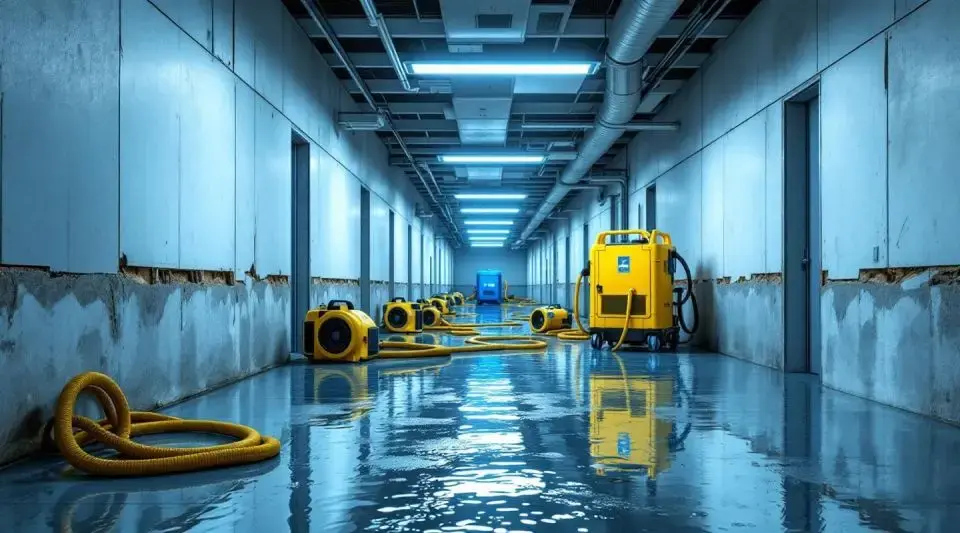
Commercial Water Damage Restoration
When water breaches a commercial facility, the clock doesn't just tick—it costs.
View Service
Hotel Water Damage Restoration
When a vertical pipe stack fails or a trade wind-driven rainstorm breaches a high-rise facade in Waikiki, water does not stay in one place.
View Service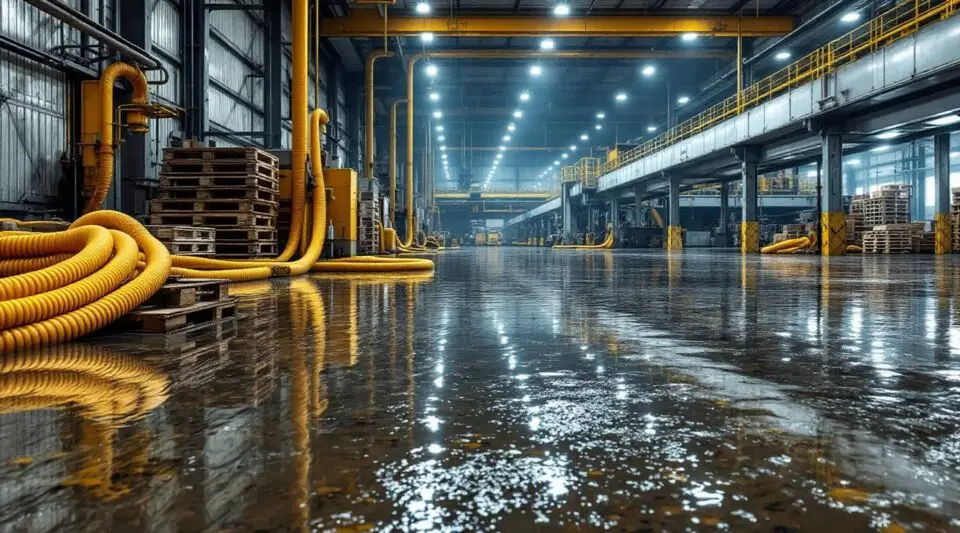
Industrial Flood Cleanup
When a water main breaks or a seasonal Kona storm overwhelms your facility's drainage, every hour of standing water eats directly into your operating margins.
View Service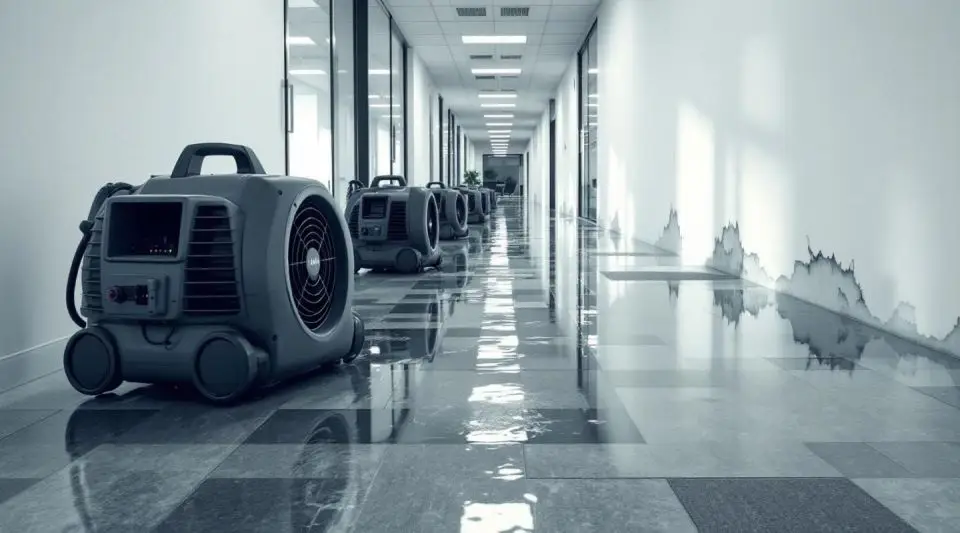
Office Building Flood Repair
When a pipe bursts or a storm causes flooding in your office building, every hour of downtime impacts your tenants and your bottom line.
View Service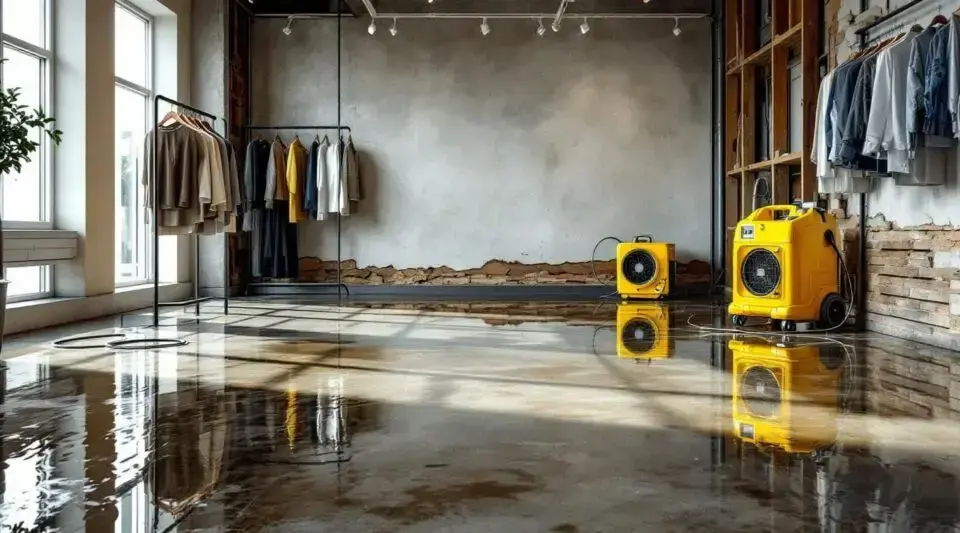
Retail Store Flood Recovery
A flooded showroom floor is an immediate threat to your bottom line.
View Service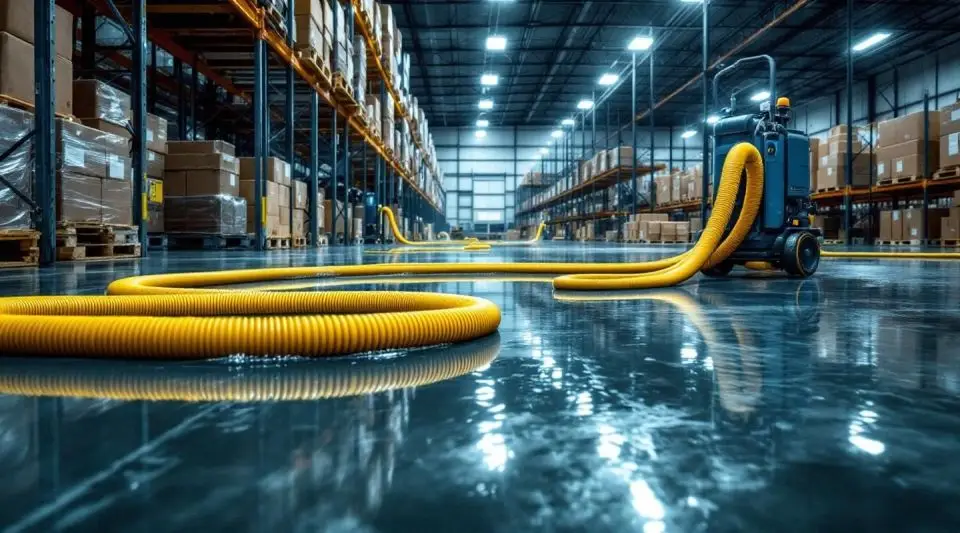
Warehouse Water Extraction
When heavy rains or a sudden main break sends thousands of gallons of water rushing across your warehouse floor, every hour of delay threatens your inventory, your racking systems, and your bottom line.
View ServiceGet Your Honolulu Warehouse Back to Full Capacity
When a water main breaks or storm runoff floods your loading dock, you cannot afford to wait for a mainland-style response. Standing water on concrete slabs quickly wicks into racking systems and compromises your inventory, while Hawaii's high humidity accelerates mold growth within hours. Our crew is on-call 24/7 on Oahu, ready to deploy high-CFM air movers and desiccant dehumidifiers to stabilize your facility.
We handle everything from initial commercial water extraction and moisture mapping to detailed inventory damage assessment for your insurance claim. Contact our company today to get a licensed C-37 specialty contractor on-site immediately, minimizing your operational downtime and protecting your bottom line.
What They Say About Us:
When a hidden leak behind our breakroom sink threatened our Sand Island warehouse flooring, this team located the source immediately and handled the cleanup perfectly. They dried the entire affected area thoroughly to prevent any mold issues, leaving us incredibly satisfied with the results.
Brandy
Warehouse Water Damage Cleanup After Hidden LeakWe were terrified that a major drainage backup in our Iwilei warehouse basement would ruin our stored inventory and flooring. Their crew arrived the same day with heavy-duty fans and dehumidifiers, working professionally to extract the standing water and completely dry the space.
Betty
Fast Warehouse Water Damage Cleanup in IwileiI really appreciated their upfront honesty regarding the restroom water damage at our Kaka'ako warehouse facility. Instead of exaggerating the issue, this trustworthy crew focused entirely on doing an exceptional job cleaning and drying the space.
Jennifer
Honest and Reliable Warehouse Water Damage CleanupWhen our Mapunapuna warehouse basement flooded, we were so relieved by how quickly their team responded to our call. They utilized powerful commercial equipment to extract the water and meticulously checked for any hidden moisture trapped behind the walls.
Julie
Rapid Response for Warehouse Water Damage CleanupAfter a hot water tank burst and flooded our Kalihi warehouse office, this outstanding team arrived the same day to extract the water and protect our equipment. Their technicians were polite, communicated perfectly throughout the drying process, and handled our office furniture with extreme care.
Leanne
Exceptional Warehouse Water Damage Cleanup in Kalihi