Basement Flood Cleanup Honolulu, HI
Rapid Response to Protect Your Home's Foundation and Prevent Mold
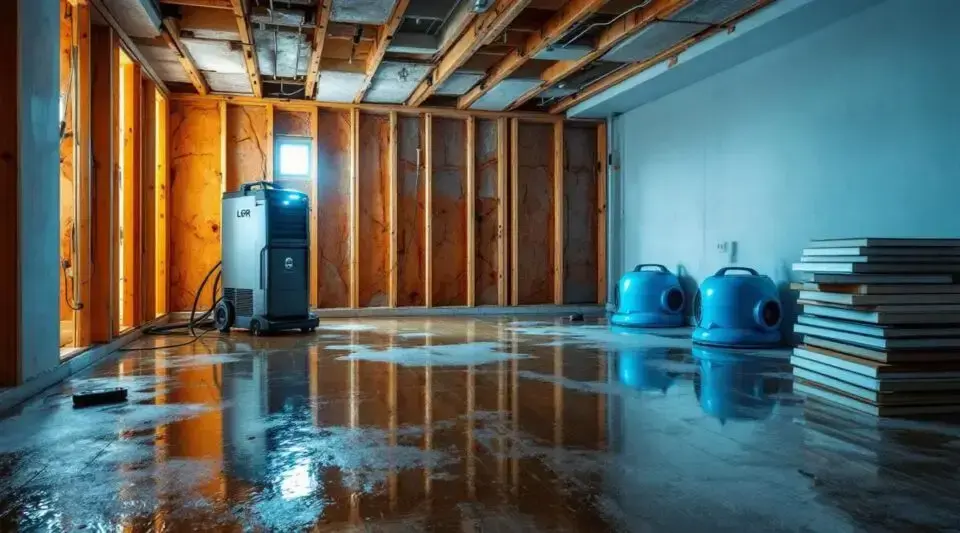
Honolulu does not have many traditional deep basements, but hillside homes, split-level properties, and below-grade utility rooms face severe risks during heavy rain. When a Kona storm hits or a sump pump fails, gravity pulls water to the lowest point of your home. We deploy heavy-duty submersible pumps for rapid standing water extraction. In Oahu's warm, humid climate, standing water must be cleared immediately to prevent rapid mold colonization on drywall and framing.
We don't just clear the visible water and leave. Our crew uses moisture mapping to find water that has migrated into hidden structural cavities. Through precise structural moisture readings, we track how deep the dampness has penetrated your walls and floors. If your basement has suffered from sewage contamination or Category 3 water from street runoff, we prioritize thorough sanitization and mold prevention treatment to ensure the space is safe for your family and pets.
To dry the structure properly, we often perform a flood cut on drywall, removing the bottom portion of the walls to expose wet studs and insulation. We then execute a strategic air mover placement plan combined with high-capacity dehumidification to accelerate concrete slab drying. Our experienced technicians monitor these drying conditions daily, adjusting the setup based on dry standards until your home reaches safe baseline levels.
Over time, unresolved moisture in below-grade concrete leads to hydrostatic pressure, which forces water through foundation cracks and leaves behind a white, powdery residue known as efflorescence. By addressing the root cause and installing a proper vapor barrier where necessary, we help prevent these recurring moisture issues. We work directly with your insurance company, providing clear photo documentation and moisture logs to make the claims process as straightforward as possible during a stressful time.
Our licensed operators handle basement flood cleanup with upfront pricing, fully insured equipment, and 24/7 availability throughout Honolulu, HI.
Basement Flood Cleanup Honolulu, HI
Why Fast, Professional Extraction Protects Your Honolulu Home
When heavy tropical downpours or a sudden plumbing failure floods your lower level, the clock starts ticking immediately. In Honolulu's warm, humid climate, standing water extraction isn't something that can wait for the weekend. Our experienced technicians deploy high-capacity submersible pumps to clear out the bulk volume before hydrostatic pressure can force moisture deeper into your foundation. We don't just pull out the standing pools; we track how deep the water traveled using advanced moisture mapping to ensure no hidden pockets remain trapped behind your finished walls.
Leaving a concrete slab to dry on its own in Hawaii's natural humidity is a recipe for long-term structural issues. We specialize in deep concrete slab drying techniques, using daily structural moisture readings to verify that the foundation is truly dry. Without active dehumidification and strategic air mover placement, damp concrete quickly develops efflorescence—that white, powdery salt deposit that signals deep moisture problems. If the flood involves sewage contamination, classified as Category 3 water, the risks to your family's health multiply by the hour. We step in to execute precise flood cut drywall removal and apply targeted mold prevention treatment, ensuring your home's lower level is completely sanitized and structurally sound before any rebuilding begins.
-
RAPID EXTRACTION — We use high-volume submersible pumps to clear standing water before it weakens your foundation.
-
MOLD PREVENTION — Our team applies professional-grade mold prevention treatment to damp framing and concrete surfaces.
-
ACCURATE TRACKING — We perform detailed moisture mapping to find hidden water pockets behind finished walls and under floors.
-
SAFE SANITIZATION — We safely handle Category 3 water and sewage contamination to protect your family's health.
-
STRUCTURAL DRYING — Strategic air mover placement and dehumidification ensure deep concrete slab drying is fully achieved.
Basement Flood Cleanup Honolulu, HI
Why Homeowners in Honolulu Trust 1808 Restoration for Basement Flood Cleanup
When your lower level or below-grade utility space floods during a heavy Kona storm, you do not have time to deal with a slow national franchise or an uncertified handyman. At 1808 Restoration, we specialize specifically in rapid water extraction and structural drying tailored to Oahu's unique tropical climate. As a locally owned and operated outfit, we understand how Honolulu's high humidity accelerates mold colonization. Our crew responds immediately with professional-grade submersible pumps and moisture mapping tools, ensuring we pull standing water out before it can compromise your foundation or drywall.
We set ourselves apart from break-fix contractors by employing our experienced technicians who are fully trained in the IICRC S500 Standard for Professional Water Damage Restoration. We do not guess when it comes to drying out concrete slab floors or handling Category 3 sewage contamination. Our team uses precise psychrometric drying calculations to place air movers and dehumidifiers strategically, documenting every step of the structural moisture readings. This rigorous, scientific approach ensures we dry your home completely without tearing out salvageable materials unnecessarily.
Navigating insurance claims after a flood can feel overwhelming, but 1808 Restoration handles the heavy lifting for you. We work directly with your insurance adjuster, providing detailed thermal imaging reports and moisture logs to justify the scope of work. We hold a valid Hawaii contractor's license, meaning we adhere strictly to local building codes and safety regulations. When you choose us, you get transparent, upfront communication from a dedicated local team, not a generic call center on the mainland.
LOCALLY OWNED & OPERATED
Dispatchers and drivers who know your community.
GPS-TRACKED FLEET
Real-time ETAs and the closest available truck.
LICENSED PROFESSIONALS
Fully insured operators trained for safe recovery.
UPFRONT PRICING: Clear quotes before our truck rolls
no surprise fees.
Basement Flood Cleanup Honolulu, HI
Frequently Asked Questions
Basement Flood Cleanup Honolulu, HI
Why Professional Basement Flood Cleanup Matters
When heavy rainfall from a Kona storm oversaturates the volcanic soil around your home, hydrostatic pressure builds rapidly against your foundation walls. This force doesn't just cause minor seepage; it pushes highly pressurized water through tiny pores in your concrete slab, leading to immediate pooling. If left unaddressed, standing water extraction becomes much more difficult as the liquid migrates into sill plates and framing. In Honolulu's year-round tropical humidity, mold colonization begins in as little as 24 to 48 hours, turning a simple drying job into a complex environmental hazard.
Many below-grade utility rooms and converted lower levels in Hawaii contain drywall, carpeting, and stored personal belongings that act like sponges. If the flood originates from a backup, you are dealing with Category 3 water, which carries severe sewage contamination risks that threaten your family's health. Our experienced technicians use precise moisture mapping to track how far the water has traveled behind finished walls. Without this step, you might miss hidden dampness, which inevitably leads to wood rot, crumbling drywall, and persistent, musty odors.
Proper concrete slab drying is essential to prevent long-term damage like efflorescence—that white, powdery salt deposit left behind when moisture evaporates from masonry. Simply running a household fan will not pull moisture from deep within a thick concrete floor. Professional water mitigation requires strategic air mover placement and industrial dehumidification to balance the relative humidity in the space. By thoroughly drying the slab and ensuring your vapor barrier remains intact, you protect your home's structural integrity and avoid costly future repairs.
Our Honolulu Water Damage Restoration Services
Burst Pipe Water Damage
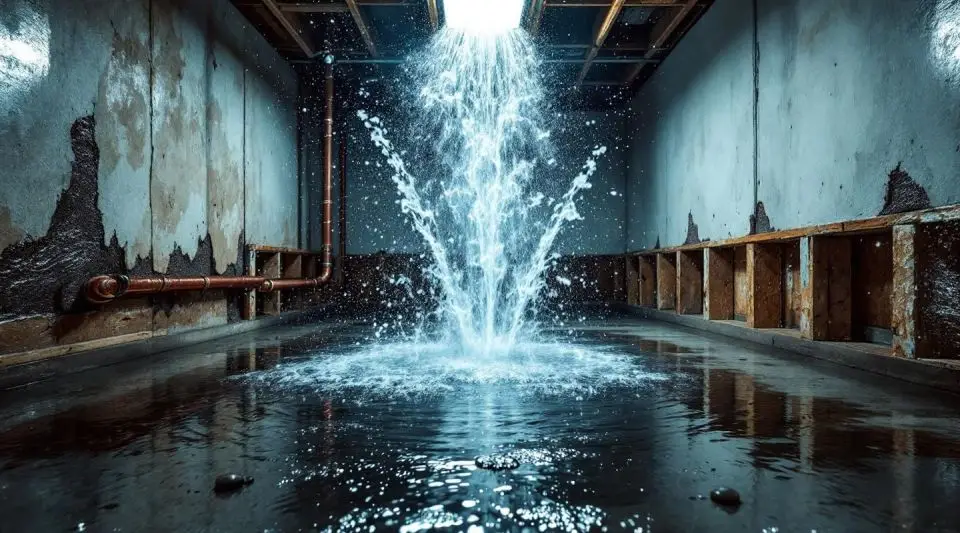
When a pressurized water line fails inside your home, the volume of water released can overwhelm your living space in minutes.
View Service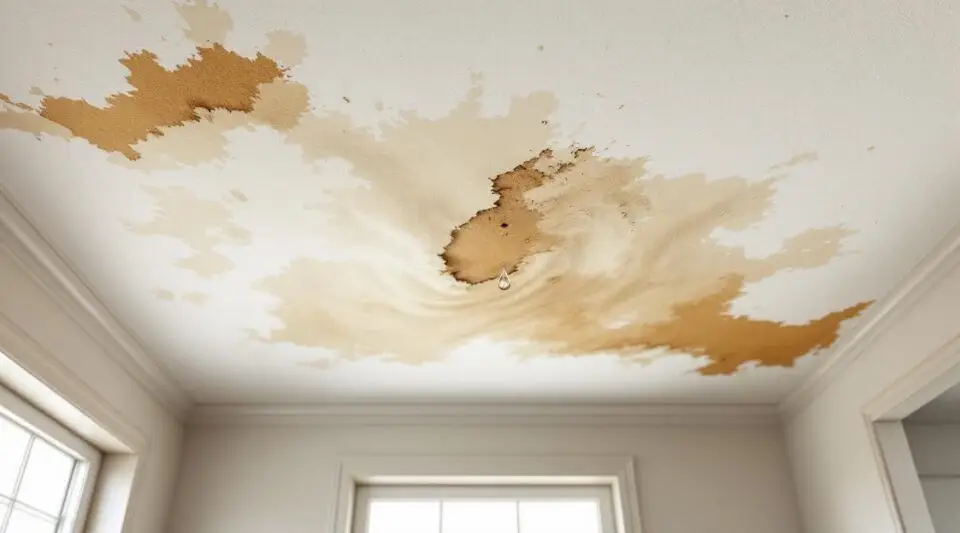
Ceiling Water Damage Repair
When a ceiling leak strikes your Honolulu home, the clock starts ticking immediately.
View Service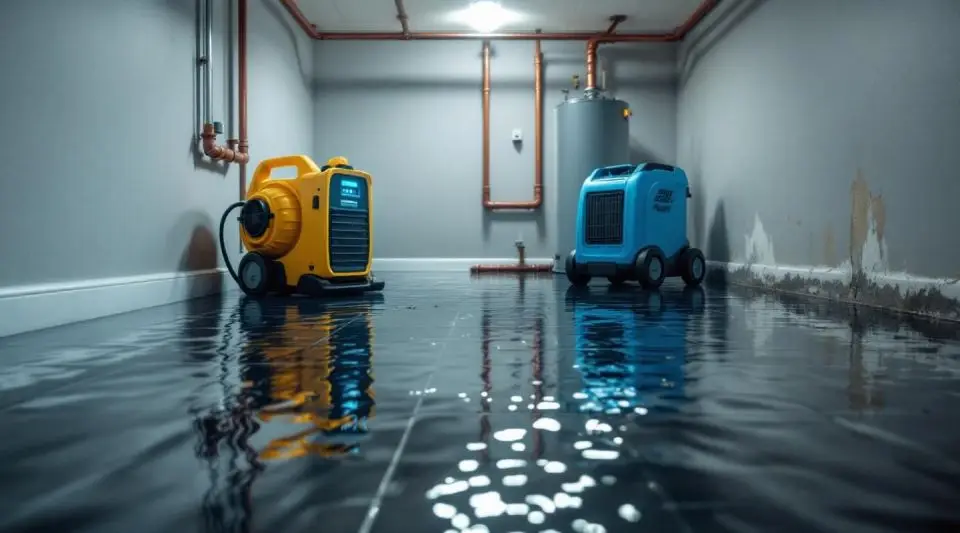
Emergency Water Damage Repair
A burst pipe or a sudden Kona storm can send gallons of water rushing across your living room before you even have time to find the main shutoff valve.
View Service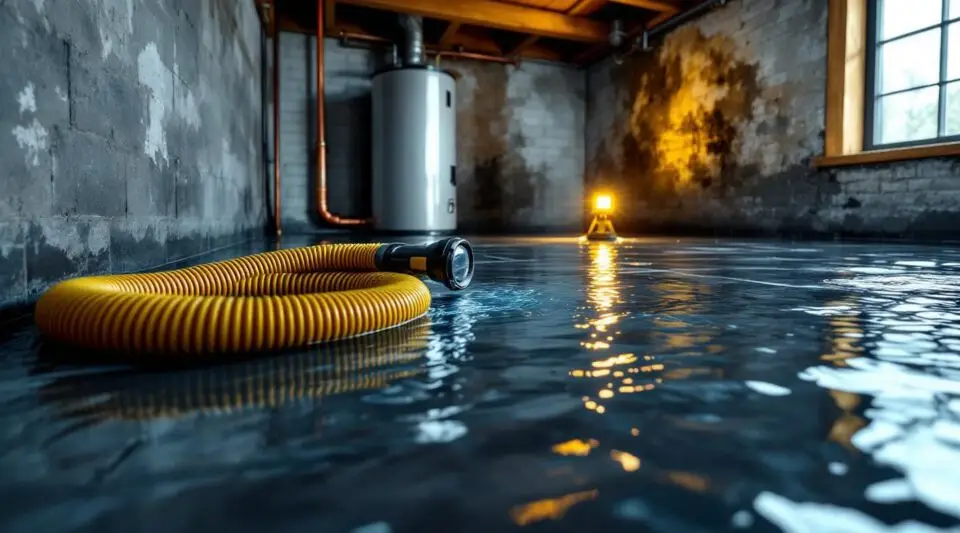
Home Water Removal Services
When a burst pipe or a sudden Kona storm floods your living room, you do not have days to wait.
View Service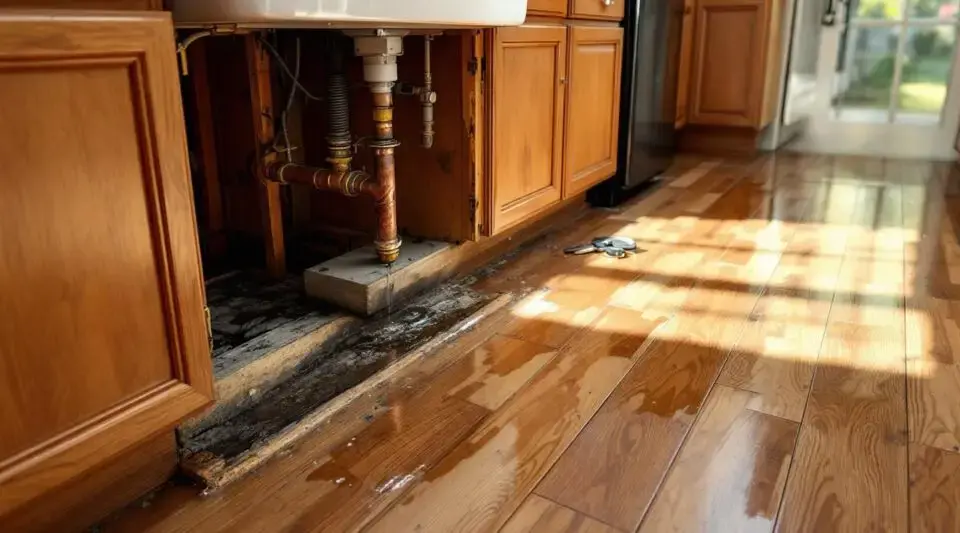
Kitchen Leak Damage Repair
A slow under-sink leak or a sudden dishwasher overflow in your Honolulu kitchen does not just ruin your morning—it immediately starts a clock against structural decay.
View Service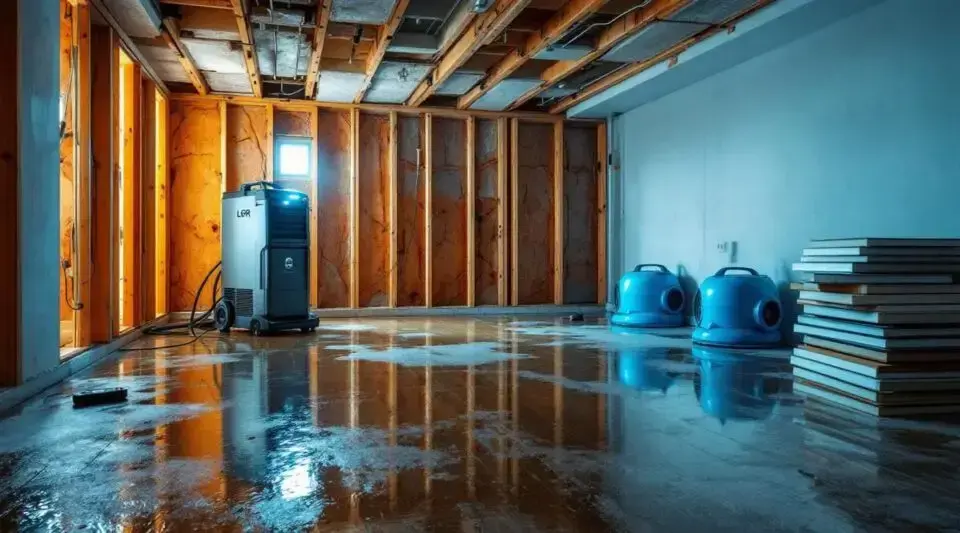
Residential Flood Restoration
When a sudden plumbing failure or a heavy Kona storm floods your living room, the clock starts ticking immediately.
View Service
Sewage Backup Cleanup
When a drain line backup or mainline blockage forces raw sewage into your Honolulu home, you are dealing with more than just a messy plumbing failure.
View ServiceLet's Dry Out Your Honolulu Basement Before Mold Takes Hold
Saturated concrete slabs and wet framing won't dry on their own in our humid Hawaii climate, especially after a heavy Kona storm. If you are dealing with a failed sump pump, sewage contamination, or rising groundwater, our experienced technicians are ready to deploy heavy-duty submersible pumps and start the extraction process immediately.
We don't just pull out the standing water; we use precise structural moisture readings to ensure your foundation is completely dry before we pack up. Contact us today to get an honest on-site assessment and protect your home from long-term structural rot.
What They Say About Us:
I really appreciated how honest and trustworthy this team was when assessing the water damage in our Manoa home's bathroom. Instead of exaggerating the issue, they focused on doing an outstanding job of cleaning and drying everything quickly.
Jennifer
Honest Bathroom Water Damage Restoration in HonoluluWhen our hot water tank blew and flooded the living room, their team arrived in Waikiki the same day with specialized equipment to dry our floors and walls. They were incredibly polite, kept us informed throughout the process, and handled all of our furniture with absolute care.
Leanne
Rapid Living Room Water Damage Cleanup in WaikikiAfter our basement flooded, we were so grateful for their incredibly fast response to our Kahala home. They used heavy-duty equipment to extract the water and meticulously checked behind the walls and under the floors for any hidden moisture.
Julie
Fast and Thorough Basement Flood Cleanup in KahalaWhen a slow leak behind our sink caused hidden damage to our kitchen cabinets and flooring, this crew located near Diamond Head found the source immediately. They did a fantastic job drying out the entire area to ensure we wouldn't have any future mold issues.
Brandy
Professional Water Damage Restoration Near Diamond HeadA drainage issue flooded our basement, but this team arrived in Kaimuki the same day to extract the water and set up powerful drying equipment. Their friendly technicians monitored the moisture levels daily, saving our furniture and protecting our home from mold.
Betty
Emergency Basement Flood Cleanup Service in Kaimuki