Hotel Water Damage Restoration Honolulu, HI
Minimizing Guest Disruption & Protecting Room Revenue
When a vertical pipe stack fails or a trade wind-driven rainstorm breaches a high-rise facade in Waikiki, water does not stay in one place. It migrates rapidly down concrete utility shafts, saturating multiple floors of guest rooms and corridors before the main valve can even be shut off. For hotel operators, every hour a room remains offline is unrecoverable revenue. Our team at 1808 Restoration understands that commercial recovery requires a different level of speed and precision than residential drying. We mobilize immediately to perform targeted guest room extraction, pulling standing water from carpets and subfloors before it can wick deep into drywall and baseboards.
Our approach is guided strictly by the IICRC S500 standard for professional water damage restoration. We do not guess where the moisture is. Our experienced technicians use non-invasive thermal imaging inspection tools to trace water pathways behind vinyl wallcoverings and inside structural cavities. This detailed moisture mapping allows us to pinpoint exactly which areas require commercial desiccant drying and which can be saved without tearing down entire walls. By establishing precise subfloor moisture readings, we build an auditable paper trail that satisfies both your corporate risk management team and your insurance adjuster.
Hawaii's baseline outdoor humidity frequently hovers above 70 percent, which severely limits natural evaporation and complicates structural drying. Without aggressive dehumidification staging and strategic air mover placement, trapped moisture will inevitably trigger a rapid mold outbreak within 24 to 48 hours. We deploy high-capacity desiccant systems that pull dry air into the affected zones, maintaining the strict vapor pressure differentials needed to dry dense building materials in tropical climates. Our proactive mold prevention protocol ensures your rooms pass subsequent indoor air quality tests, protecting your property's reputation and keeping your staff safe.
Our licensed operators handle hotel water damage restoration with upfront pricing, fully insured equipment, and 24/7 availability throughout Honolulu, HI.
Hotel Water Damage Restoration Honolulu, HI
Protecting Your Revenue and Reputation with Structured Drying
When water migrates through a multi-floor concrete high-rise in Waikiki, every hour of delay compounds your lost room revenue. We do not just show up with fans; we deploy a systematic recovery plan built around the IICRC S500 standard. Our crew of experienced technicians uses thermal imaging inspection to track moisture behind vinyl wallcoverings and inside structural cavities. This precision prevents unnecessary controlled demolition, keeping your unaffected guest rooms open and your booking calendar active.
Hawaii's baseline outdoor humidity—frequently hovering above 70 percent—means natural evaporation is your enemy, not your helper. Without aggressive commercial desiccant drying and precise dehumidification staging, trapped moisture will trigger a rapid mold outbreak. We monitor subfloor moisture readings daily and document every step. This rigorous approach ensures your property meets strict local health standards while providing your insurance adjuster with an undeniable, auditable scope of loss report. Learn more about our rapid response across Honolulu hospitality properties to keep your doors open.
-
RAPID EXTRACTION — We pull standing water from guest room carpets immediately to save the subfloor.
-
MOISTURE MAPPING — Thermal imaging reveals hidden water traveling down concrete shafts before mold can start.
-
DESICCANT DRYING — High-capacity commercial desiccant setups fight Hawaii's high humidity to dry structures fast.
-
MINIMAL DISRUPTION — We stage equipment strategically to keep adjacent floors quiet and guests happy.
-
AUDITABLE REPORTS — Detailed moisture logs and scope of loss documentation simplify your insurance claim.
Hotel Water Damage Restoration Honolulu, HI
Why Hotel Operators in Honolulu Trust 1808 Restoration for Hotel Water Damage Restoration
When a pipe bursts or a heavy trade-wind rainstorm floods multiple floors of your resort, you cannot afford to wait for a national franchise to ship equipment from the mainland. At 1808 Restoration, we maintain a massive local inventory of high-capacity LGR dehumidifiers and commercial desiccant drying systems right here on Oahu. Our experienced technicians understand that every hour a guest room sits offline is unrecoverable revenue. We do not rely on slow, destructive "break-fix" methods; instead, we follow the strict IICRC S500 standard to dry structural cavities and concrete subfloors in place whenever possible, saving you from costly, unnecessary reconstruction.
As a locally owned company holding a Hawaii C-37 specialty contractor license, 1808 Restoration is uniquely equipped to handle the extreme baseline humidity of Honolulu. We do not guess when a room is dry. We use advanced thermal imaging inspection and precise moisture mapping to prove it with hard data. Our team works directly with your engineering department and insurance adjusters, providing comprehensive insurance claim documentation and detailed scope of loss reports to ensure your claim is processed without friction. We coordinate our shifts to minimize guest disruption, keeping your property's reputation intact while we work.
LOCALLY OWNED & OPERATED
Dispatchers and drivers who know your community.
GPS-TRACKED FLEET
Real-time ETAs and the closest available truck.
LICENSED PROFESSIONALS
Fully insured operators trained for safe recovery.
UPFRONT PRICING: Clear quotes before our truck rolls
no surprise fees.
Hotel Water Damage Restoration Honolulu, HI
Frequently Asked Questions About Hotel Water Damage
Hotel Water Damage Restoration Honolulu, HI
Why Prompt Hotel Water Damage Restoration Matters
Every hour a guest room sits offline is a direct hit to your bottom line. Water travels fast, especially in multi-floor concrete structures typical of Honolulu high-rise properties. A simple pipe leak on the fourth floor can quickly migrate down elevator shafts and utility chases, turning a minor issue into a multi-room crisis. Without immediate guest room extraction and precise moisture mapping, water pools under subfloors and inside structural cavities. This trapped moisture breeds mold in Hawaii’s persistent humidity, which regularly hovers above 70 percent, creating health hazards that can shut down entire wings during your next inspection.
We focus on preventing unnecessary demolition while ensuring the building is completely dry. By following the IICRC S500 standard, our experienced technicians use thermal imaging inspection tools to trace hidden moisture pathways behind vinyl wallcoverings and under commercial carpets. Instead of automatically tearing out expensive finishes, we use commercial desiccant drying and strategic air mover placement to save your materials. This targeted approach keeps your rooms open and your revenue flowing, avoiding the massive disruption of a full-scale remodel.
When a category 3 water intrusion occurs—such as a sewage backup or storm-driven flood—the risks multiply. These situations require strict adherence to a professional mold prevention protocol and controlled demolition of contaminated materials. We document every step, from initial subfloor moisture readings to final dehumidification staging, providing a detailed scope of loss report. This thorough insurance claim documentation ensures your carrier has the exact data they need to approve the claim, saving your management team from administrative headaches and costly out-of-pocket disputes.
Our Honolulu Water Damage Restoration Services
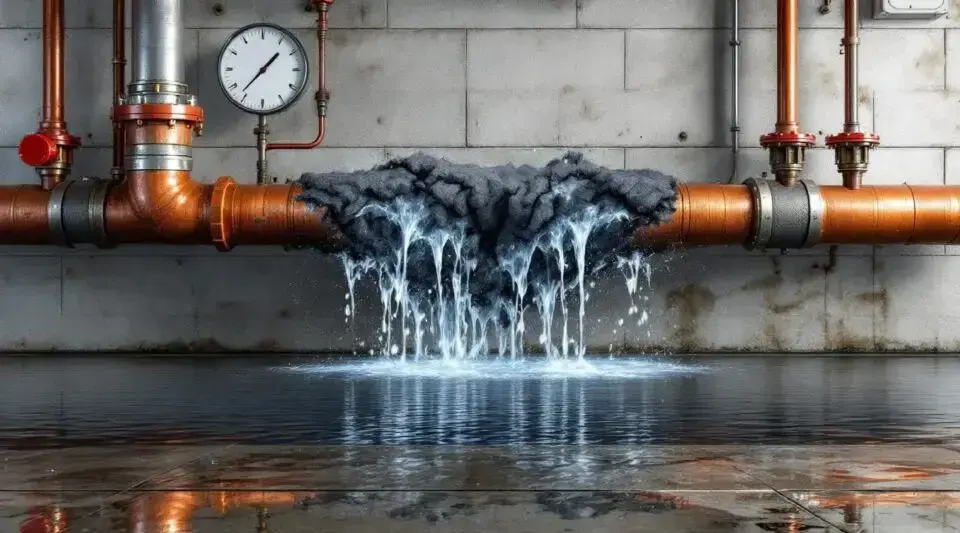
Commercial Pipe Burst Repair
When a pressurized pipe failure occurs in a commercial facility, you do not have hours to debate your next step.
View Service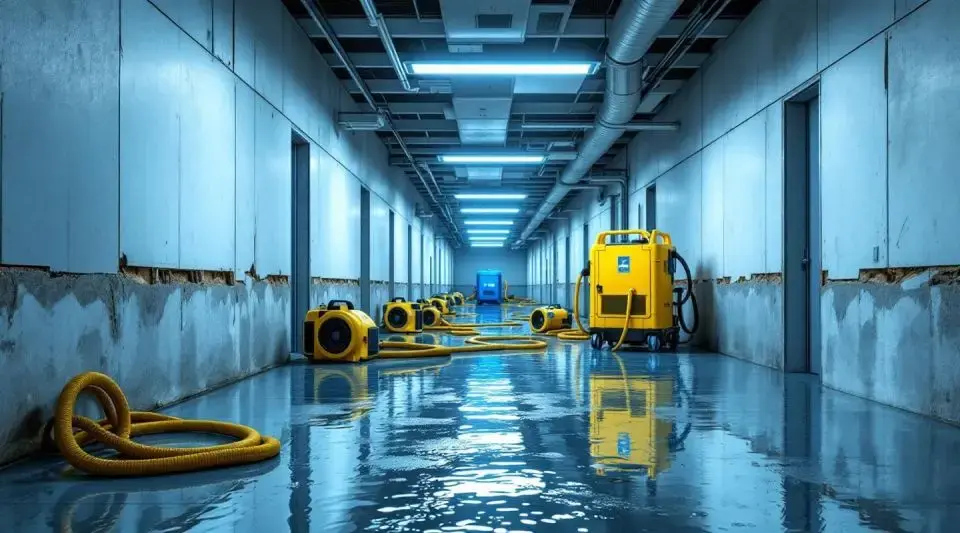
Commercial Water Damage Restoration
When water breaches a commercial facility, the clock doesn't just tick—it costs.
View Service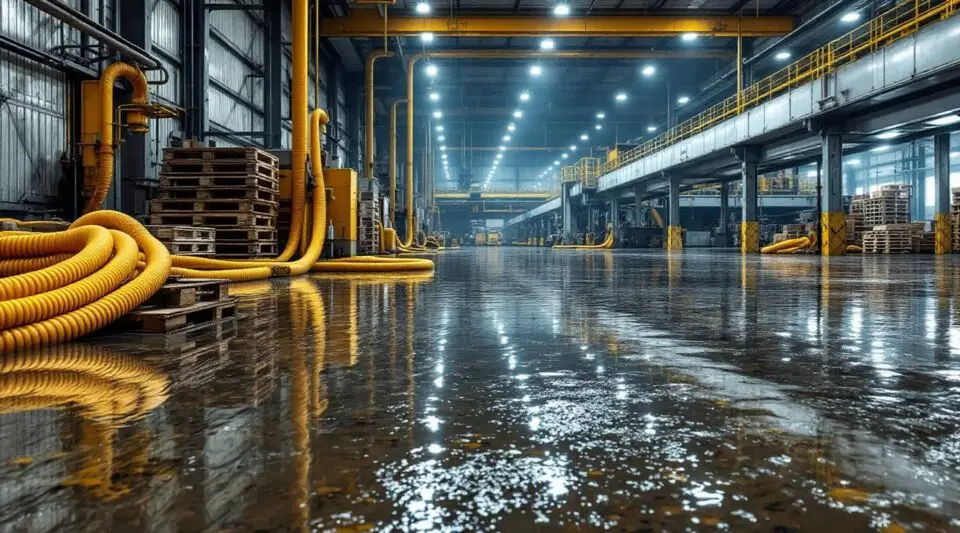
Industrial Flood Cleanup
When a water main breaks or a seasonal Kona storm overwhelms your facility's drainage, every hour of standing water eats directly into your operating margins.
View Service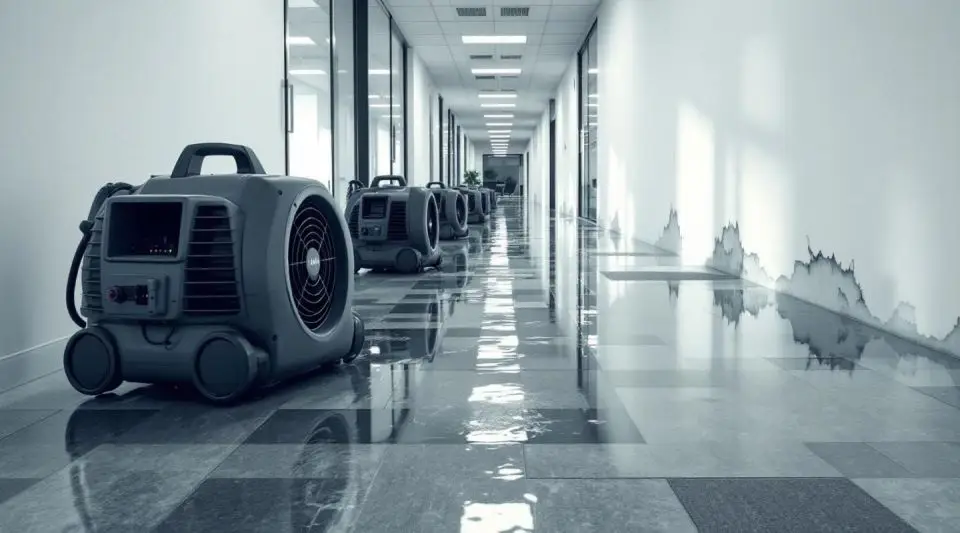
Office Building Flood Repair
When a pipe bursts or a storm causes flooding in your office building, every hour of downtime impacts your tenants and your bottom line.
View Service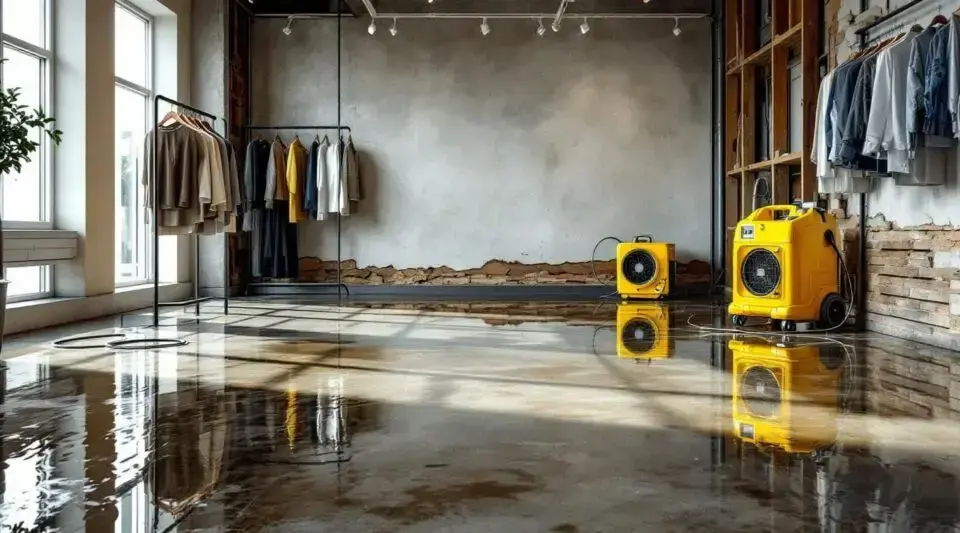
Retail Store Flood Recovery
A flooded showroom floor is an immediate threat to your bottom line.
View Service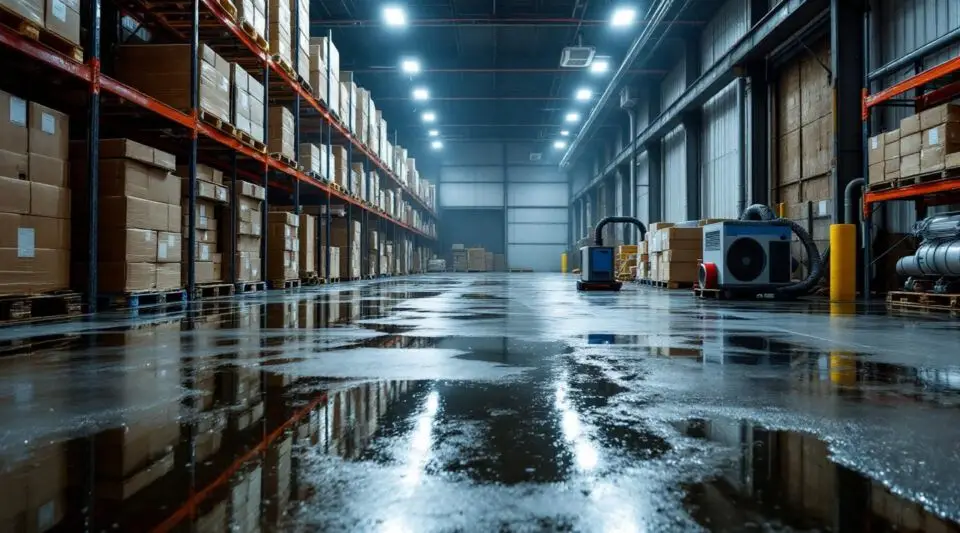
Warehouse Water Damage Cleanup
When a sudden Kona storm or a ruptured main line causes loading dock flooding, your entire supply chain can grind to a halt.
View Service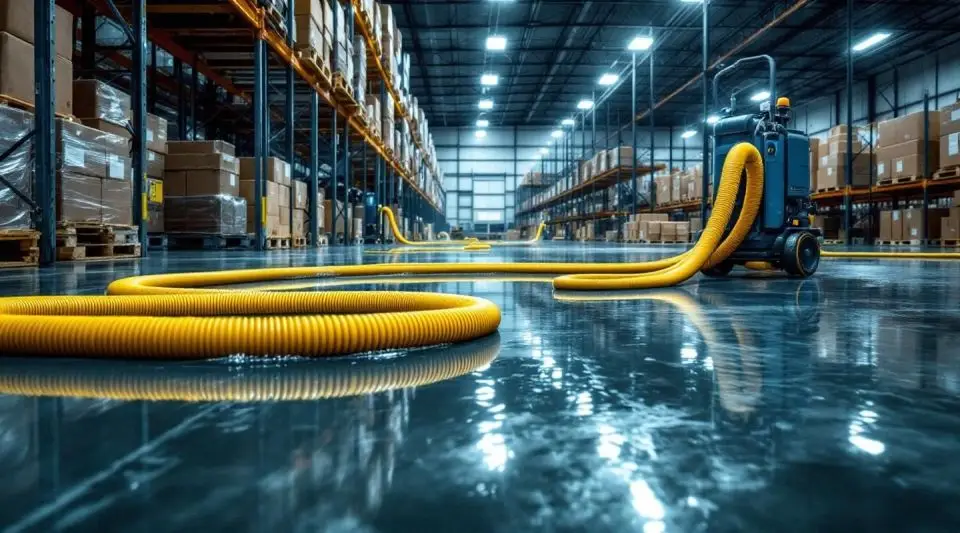
Warehouse Water Extraction
When heavy rains or a sudden main break sends thousands of gallons of water rushing across your warehouse floor, every hour of delay threatens your inventory, your racking systems, and your bottom line.
View ServiceStop the Spread and Protect Your Room Revenue
When a pipe bursts or a heavy rainstorm causes a category 3 water intrusion in your Waikiki high-rise, every hour of delay costs you bookings. You cannot afford to wait. Our commercial restoration team in Honolulu is ready to deploy commercial desiccant drying systems and start guest room extraction immediately, keeping your operational downtime to an absolute minimum.
We work quietly and strategically, often overnight, to ensure your guests remain undisturbed while we handle the moisture mapping, structural cavity drying, and full insurance claim documentation. Let's get your facility back to 100% capacity without the threat of hidden mold. Call us now to dispatch our local, licensed crew.
What They Say About Us:
After discovering a slow leak near the Red River, this team arrived quickly to handle the entire drying process. They were incredibly responsive and ensured every corner was checked for mold before finishing the job.
Stacy B.
Professional Hotel Water Damage Restoration and Leak CleanupWhen a pipe burst near West Acres, these experts arrived within the hour to begin the extraction and carpet removal. They explained every step of the drying process and worked efficiently to prevent any long-term mold issues.
Susan T.
Fast Hotel Water Damage Restoration After a Pipe BurstThe restoration crew arrived at our property near North Dakota State University and immediately cleared the water from our overflow. Their speed and skill in restoring the damaged areas really helped put our minds at ease.
Ida G.
Expert Water Extraction and Hotel Water Damage Restoration ServicesWhen our sump pump failed in South Honolulu, the team arrived immediately with industrial dehumidifiers to dry out the basement. They were honest throughout the process and worked directly with our insurance adjuster to make the repairs seamless.
Norma R.
Reliable Hotel Water Damage Restoration and Insurance CoordinationWe noticed a musty smell near Island Park and called these professionals to handle the mold removal behind our drywall. The staff was very courteous and did a fantastic job cleaning up the workspace once the mold was gone.
Tina E.
Thorough Mold Remediation and Hotel Water Damage Restoration