- (808) 427-5129
- 2914 Kahawai Street, Honolulu, HI 96822
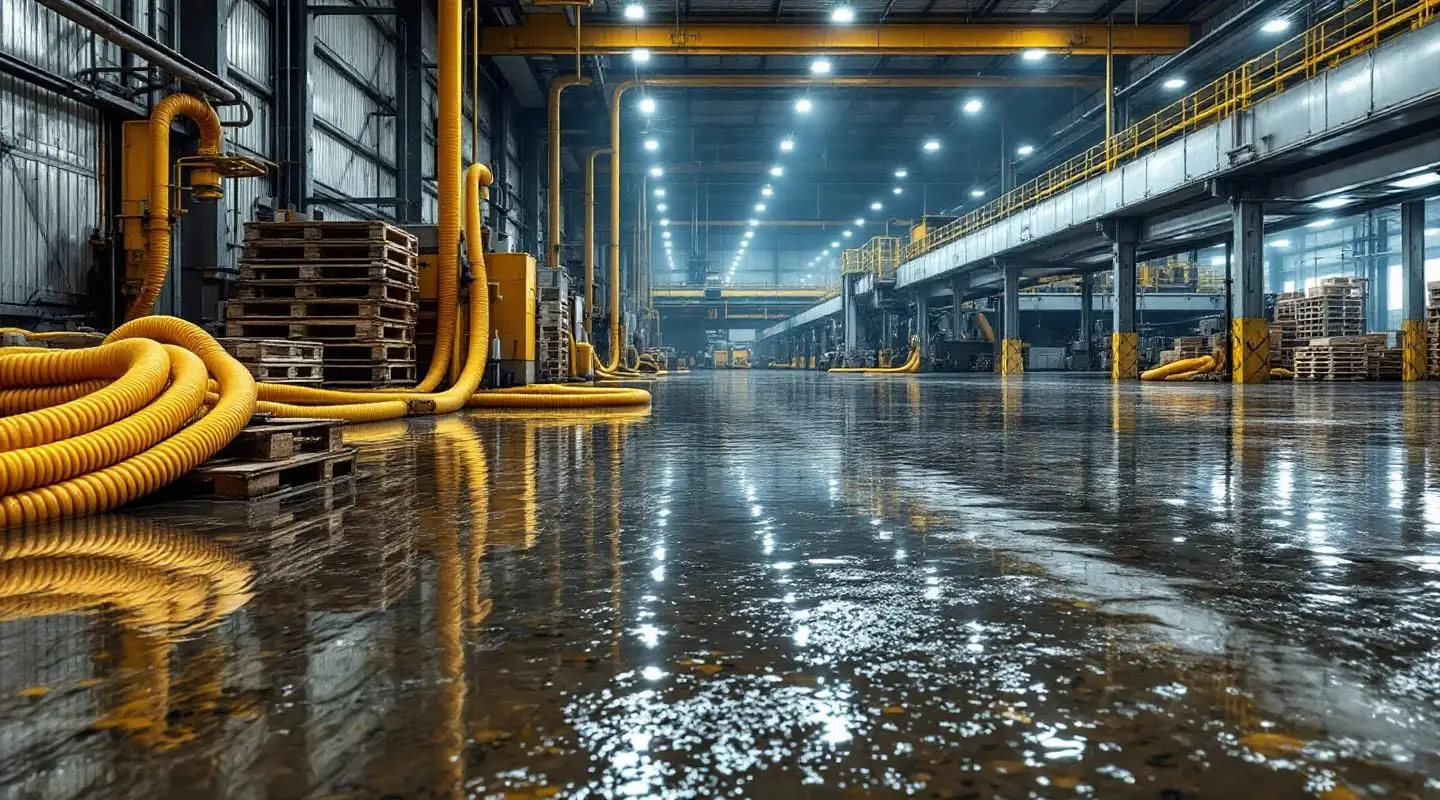
When a large-scale facility in Honolulu faces a sudden water intrusion, the clock doesn’t just tick; it drains your bottom line. Whether it’s a burst main in a Kalihi warehouse or storm surge hitting a Waikiki retail basement, the complexity of industrial flood cleanup far exceeds standard residential drying. You aren’t just dealing with wet carpets; you’re managing compromised inventory, idle staff, and potential structural threats to concrete slabs. Our team understands that every hour of downtime is a measurable loss, which is why we prioritize rapid commercial water extraction to stabilize the environment before secondary damage takes hold.
We approach every large-loss flood response with a strict adherence to the IICRC S500 standard. This isn’t just about sucking up standing water; it’s about identifying the contaminated water classification correctly. In many Honolulu commercial flooding scenarios, we are dealing with Category 3 floodwater—highly unsanitary liquid that requires specific PPE and rigorous sanitation protocols. Our technicians use thermal imaging moisture detection and moisture mapping to find water hidden behind CMU walls or under heavy machinery, ensuring nothing is missed that could trigger a mold outbreak weeks after you reopen.
To achieve true business continuity drying, we deploy high-capacity desiccant dehumidifiers that can handle the massive air volumes of industrial spaces. Honolulu’s high ambient humidity makes standard equipment ineffective for deep structural drying. We perform detailed psychrometric drying calculations to ensure the vapor pressure is managed correctly, pulling moisture out of dense materials like concrete and steel framing. By focusing on these technical benchmarks, about our company, we provide the documentation your insurance adjuster needs to approve the claim without the typical friction.
Dealing with a flooded loading dock or a saturated server room requires a partner who knows Oahu’s unique building stock. Many of our local post-war structures retain moisture in ways that mainland contractors often underestimate. We don’t just set fans and leave; we monitor the concrete slab drying process daily to ensure your facility is actually safe for re-occupancy. From managing the disposal of contaminated debris according to Hawaii Department of Health regulations to providing a final ATP surface testing report, we handle the heavy lifting so you can get your operations back on track.
When your warehouse or retail space takes on water, the clock isn’t just ticking; it’s screaming. In Honolulu, where ambient humidity often sits above 70 percent, a flooded concrete slab doesn’t just dry out on its own. The primary benefit of professional industrial flood cleanup is the radical reduction in business interruption. We don’t just suck up standing water; we implement a scientific moisture mapping strategy to find where Category 3 floodwater has migrated into wall cavities or under heavy machinery. By following the IICRC S500 standard from hour one, you prevent the kind of deep structural saturation that turns a three-day cleanup into a three-week shutdown.
Speed is your greatest asset in protecting your bottom line. Every hour your facility remains humid, your inventory and electronics are at risk from secondary damage. Our experienced technicians use high-capacity desiccant dehumidifiers to pull moisture from the air faster than Hawaii’s tropical climate can replenish it. This aggressive approach to psychrometric drying calculations ensures that even porous materials like CMU blocks or industrial carpets are stabilized before mold can take hold. You get a defensible record of the drying process, which is essential when you need to prove to an insurance adjuster or a tenant that the building is safe for re-occupancy.
Rapid commercial water extraction to prevent deep saturation of concrete slabs.
Mitigation of Category 3 health risks through compliant wastewater disposal.
Protection of high-value inventory using industrial-grade desiccant dehumidifiers.
Detailed moisture mapping and thermal imaging to find hidden water pockets.
Reduction of business downtime to protect revenue and tenant relationships.
We know every hour your doors are closed costs you revenue and reputation. For Industrial Flood Cleanup in Honolulu, we maintain a 24/7 rapid-response posture because the first four hours are critical for moisture mapping. Our crew arrives ready to deploy high-volume commercial water extraction tools immediately. We don’t just show up; we mobilize with the intent to stabilize your building envelope before secondary damage like mold or structural warping can take hold in our humid climate. Speed is our primary tool for preventing total inventory loss.
In the context of Industrial Flood Cleanup, Category 3 refers to ‘black water’ which is highly contaminated. In Honolulu, this often happens when storm surges or sewer backups overwhelm municipal lines during heavy rain. This water contains pathogens and toxins that require specialized PPE and strict disposal protocols. We follow the Hawaii Department of Health guidelines for hazardous waste to ensure your facility isn’t just dry, but biologically safe for your employees and customers to reoccupy after a major intrusion.
We don’t use residential-grade fans for these projects. For effective Industrial Flood Cleanup in Honolulu, we deploy trailer-mounted desiccant dehumidifiers that can pull moisture from deep within concrete slabs and structural steel. We use thermal imaging moisture detection to find hidden pockets of water behind warehouse walls or under flooring. By using psychrometric drying calculations, we monitor the grains per pound of air to ensure the environment is reaching the specific dry standard required for your specific building materials and local humidity levels.
Most Honolulu commercial spaces require three to five days for a full structural dry-down, though concrete slab drying can take longer depending on the thickness. Our goal is always business continuity drying, which means we work in phases to get your critical operations back online first. Our experienced technicians monitor the site daily, adjusting the layout of air movers and dehumidifiers based on real-time moisture mapping data. We don’t pull the equipment until the data proves the structure has returned to its pre-loss dry standard.
Proper documentation is the backbone of a successful claim. For Industrial Flood Cleanup in Honolulu, we provide comprehensive digital records, including thermal imagery and moisture readings. We document the contaminated water classification and the specific steps taken to meet the IICRC S500 standard. Our team uses Xactimate to ensure our estimates align with what adjusters expect. We also perform ATP surface testing after cleanup to provide objective proof that the facility is sanitized, which is a critical piece of evidence for your insurance carrier and your tenants.
When a warehouse or retail center floods, the clock starts ticking against your revenue and your reputation. You need more than just a few shop vacs; you need a crew that understands the IICRC S500 standard and has the heavy-duty extraction equipment to handle Category 3 water before it permanently compromises your concrete slab or inventory. Waiting even a few hours can turn a manageable cleanup into a total loss of structural materials.
Our experienced technicians are ready to mobilize across Honolulu 24/7 to implement business continuity drying strategies that protect your bottom line. We prioritize high-traffic zones and critical infrastructure first to ensure your doors stay open while we manage the deep structural drying. Don’t let standing water dictate your production schedule—call us now to secure a licensed team for your large-loss recovery.
When a warehouse or retail center in Honolulu takes on water, the clock isn’t just ticking on the building; it’s ticking on your revenue. Every hour your facility sits idle represents lost productivity, idle staff, and potential breach of contract with your own clients. Industrial flood cleanup is about more than just sucking up standing water; it’s a high-stakes race against Category 3 floodwater contamination that can ruin inventory and compromise porous concrete slabs. If you wait, the high ambient humidity of Oahu—often spiking above 70%—will turn a simple extraction job into a massive mold remediation project within 48 hours.
You cannot dry a commercial space with residential fans or shop-vacs. Large-scale environments require precise psychrometric drying calculations to determine exactly how much moisture needs to be pulled from the air to prevent secondary damage. We use industrial-grade desiccant dehumidifiers because standard refrigerant units often fail to reach the necessary grains per pound in Hawaii’s tropical climate. Our experienced technicians use thermal imaging moisture detection to find water trapped behind CMU walls or under heavy machinery. Without this precision moisture mapping, you might think the floor is dry while the subfloor remains saturated, leading to long-term structural rot that insurance might not cover if the initial response was deemed insufficient.
Beyond the physical drying, the importance of professional intervention lies in the documentation and liability protection. For a commercial insurance claim in Honolulu to be successful, you need a defensible record of the drying process, including daily moisture logs and atmospheric readings that prove the building reached IICRC S500 standards. Failing to follow Hawaii Department of Health regulations regarding the disposal of contaminated flood debris can also lead to heavy fines. By hiring a licensed team, you protect yourself from the liability of business interruption losses claimed by tenants. We ensure that your facility is not just dry to the touch, but scientifically verified as safe for re-occupancy, keeping your staff healthy and your operations compliant.
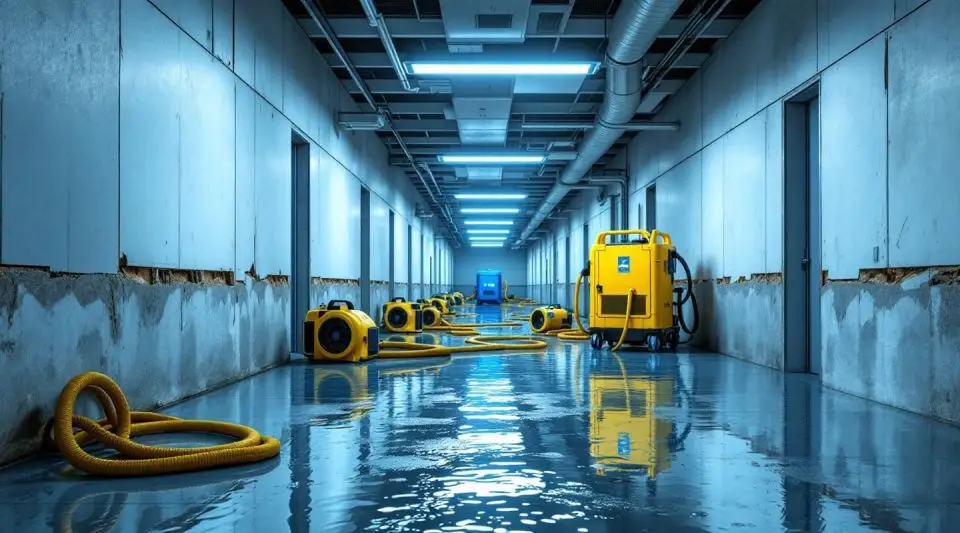
When a pipe bursts in a Kakaako high-rise or a Kona storm breaches the building envelope of your warehouse, the clock starts ticking against your bottom line.
Learn more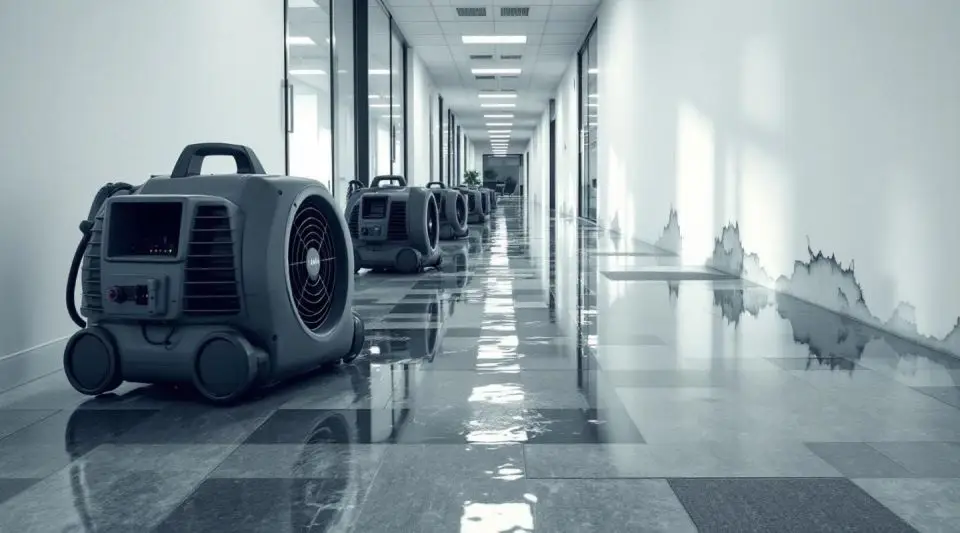
When a main line fails on the upper floor of a downtown Honolulu mid-rise or a Kona storm pushes water through the building envelope, the clock starts ticking against your lease agreements.
Learn more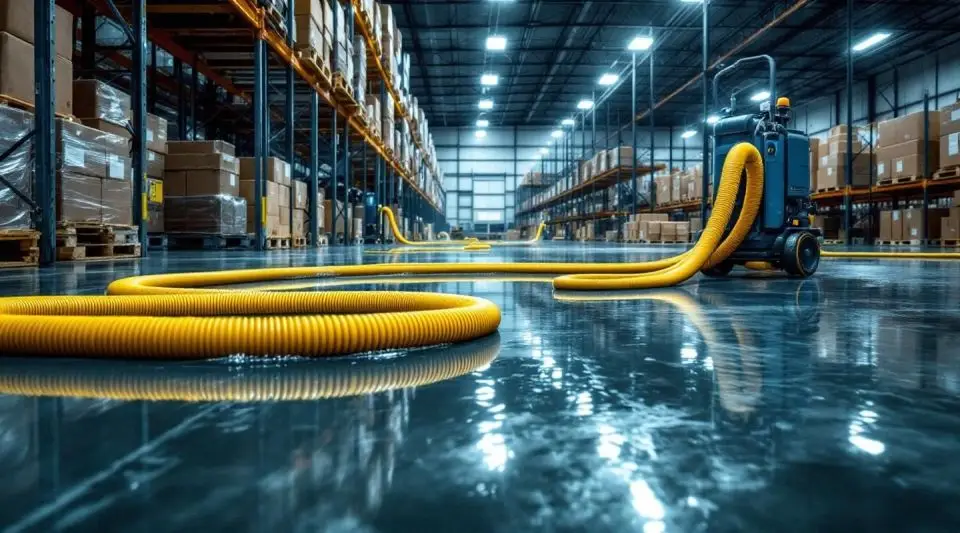
When a water main breaks or a tropical storm overwhelms the drainage systems at your facility, the clock starts ticking against your inventory and your concrete slab.
Learn more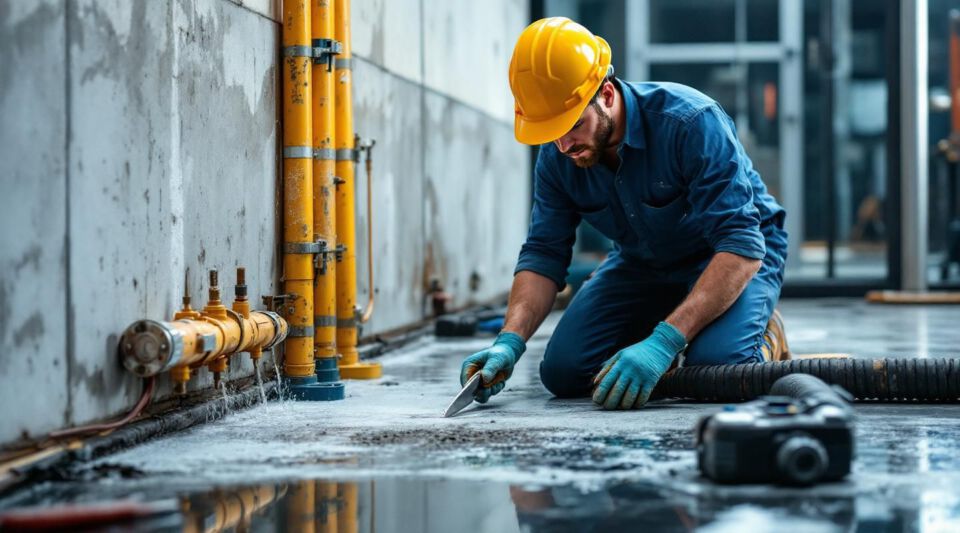
When a main water line breaks on the twelfth floor of a Waikiki high-rise, the clock starts ticking against your bottom line.
Learn more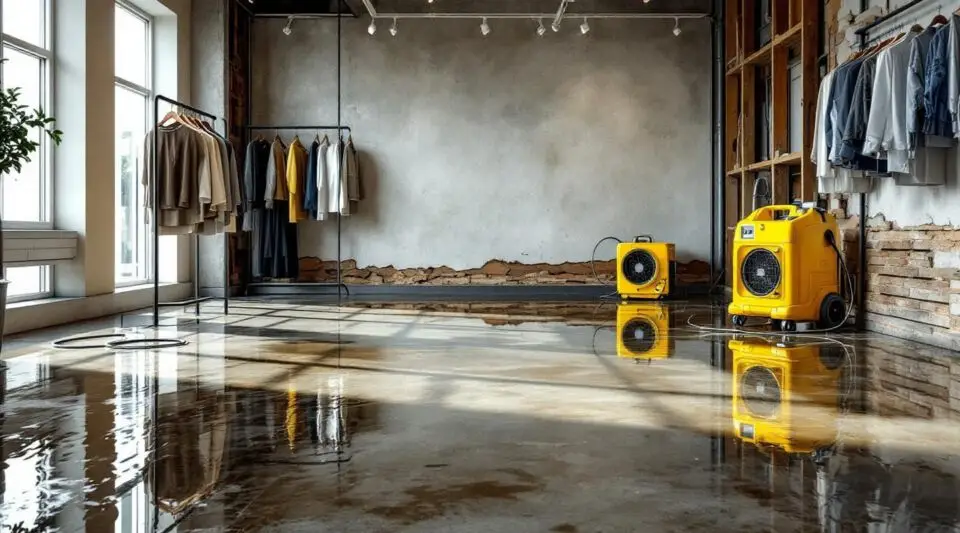
When a Kona storm pushes water through your front doors in Kaka’ako or a localized flash flood hits your Chinatown storefront, the clock starts ticking against your revenue.
Learn more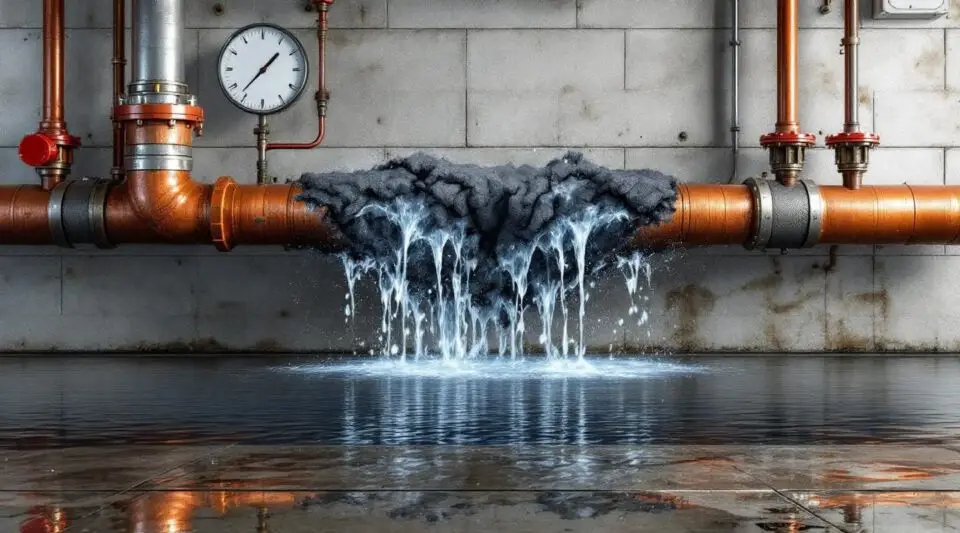
Our San Diego specialists provide rapid commercial pipe burst repair and industrial-strength drying to protect your inventory and minimize downtime during a plumbing emergency.
Learn more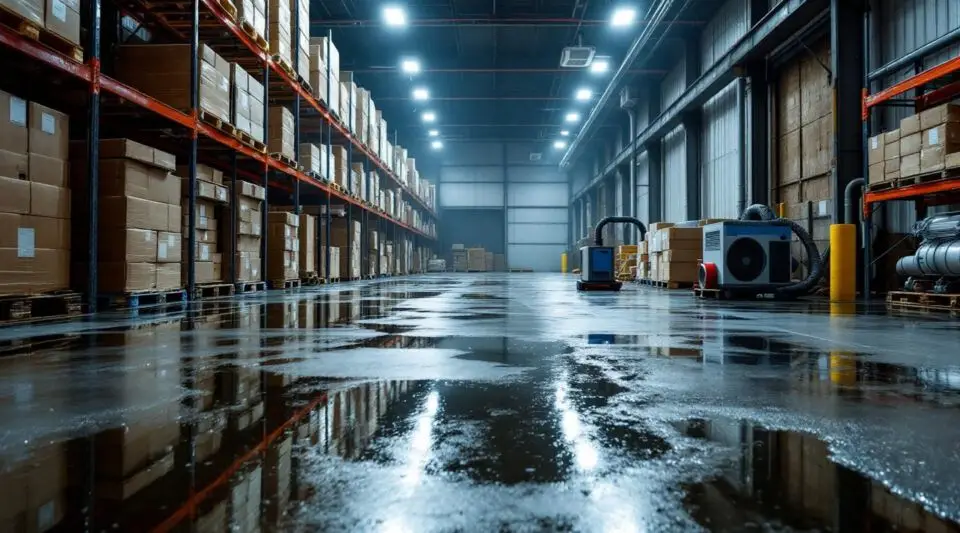
Honolulu warehouses face a unique set of environmental pressures, especially when a sudden pipe burst or a heavy Kona storm sends water rushing across a loading dock.
Learn moreI called 1808 RESTORATION since my house had a small flood. The crew arrived there quickly, looked at the damage, and explained the whole process of fixing it. They worked hard and paid close attention to make sure everything was dried and mended right. I enjoyed how professional and thorough the whole crew was. There were no surprises about the prices, which were straightforward and fair. They also gave fantastic advice on how to keep your home from becoming damaged by water in the future. In general, it was a terrific experience, and I would definitely call them again if I needed to.
Barbara Barnes
When our basement flooded, I was quite happy that they came to help us so quickly. They used heavy tools to get the water out and made sure to look for hidden dampness behind walls and under floors.
Julie Howell
There was a lot of rain at my house, which damaged several of the flooring and walls. Right away, the people who remedy water damage called me back after I called them. First, they emptied the water, and then they tried to dry everything off completely. They did an excellent job and used instruments to detect moist spots that would have been hard to see otherwise. They started to work right away and did a great job cleaning my apartment. They also talked about how their method stops mold and damage from happening in the first place. There was a lot of happiness when the area was finally dry and ready to be mended.
Pamela Nguyen
I liked that they were honest with us about the water damage in our bathroom. Instead of making the problem sound worse than it was, they focused on doing an excellent job of cleaning and drying everything. A gang you can trust.
Jennifer Cline
My water heater broke and flooded my house and I did not know where to start. I called this emergency water restoration company, and they were on it straight away. They performed a fast and effective emergency water removal service and completed a thorough water extraction service. The techs were very pleasant and explained everything well. It really helped to have folks who knew exactly what they were doing.
Cynthia Merriman