- (808) 427-5129
- 2914 Kahawai Street, Honolulu, HI 96822
When a Kona storm rolls through or a localized flash flood hits the Manoa Valley, a home doesn’t just get wet—it absorbs a massive volume of water that begins a destructive countdown. Residential flood restoration is more than just sucking up puddles; it is a scientific process of moisture mapping and structural drying designed to save property from long-term rot. We use thermal imaging inspection to find the hidden pockets of water trapped behind baseboards and inside wall cavities that a simple mop cannot reach. If left alone for even 48 hours in our tropical climate, that trapped moisture becomes a breeding ground for mold.
Honolulu’s year-round high humidity, often hovering above 70 percent, creates a unique challenge for drying out a flooded house. Standard mainland protocols often fail here because the air is already saturated. Our approach follows the strict IICRC S500 standard, using desiccant dehumidification and strategic air mover placement to pull moisture out of dense materials like hardwood floors, subfloor saturation, and structural framing. Island homes require specific knowledge of local construction, from older untreated wood frames to modern moisture-resistant drywall. By monitoring psychrometric readings daily, our experienced technicians ensure the environment reaches the dry goal before we ever pull the equipment.
Whether you are dealing with a burst pipe or Category 3 water from a sewage backup, the safety of your family is the immediate priority. Contaminated water requires aggressive antimicrobial treatment and, in many cases, a controlled demolition of unsalvageable materials like saturated carpet padding or flood-cut drywall. We handle the heavy lifting, from the initial contents pack-out to the final decontamination, so you do not have to navigate the mess alone. We know the stress of seeing your living room underwater, which is why our company prioritizes clear communication and detailed documentation for your insurance adjuster.
The primary benefit of professional Residential Flood Restoration is the preservation of your home’s structural integrity against the relentless humidity of Honolulu. When water enters your living space, it doesn’t just sit on the surface; it quickly migrates into porous materials like drywall and subflooring. Without precise moisture mapping and the use of high-capacity desiccant dehumidification, that trapped water becomes a breeding ground for mold within 24 to 48 hours. By bringing in experienced technicians who follow the IICRC S500 standard, you ensure that every hidden pocket of moisture is identified and addressed before it can cause permanent rot or compromise your family’s health.
You also gain the advantage of scientific verification. We don’t just guess if a wall is dry; we use thermal imaging inspection to see behind the surface and psychrometric readings to track the actual evaporation rate. This level of detail is exactly what your insurance adjuster needs to see. Instead of wondering if the job is done, you get a documented drying log that proves your home has returned to its pre-loss condition. This proactive approach prevents the musty smell that often plagues homes after a DIY cleanup attempt and protects your property value for the long haul. We understand how Honolulu’s salt air and high ambient moisture can complicate the drying process, and we adjust our equipment placement accordingly.
Rapid moisture mapping to identify hidden water pockets behind baseboards and under kitchen cabinets.
Prevention of secondary mold growth through professional-grade antimicrobial treatment and humidity control.
Scientific structural drying using desiccant dehumidifiers tailored for Honolulu’s specific high-humidity climate.
Detailed documentation and thermal imaging logs to simplify and support your homeowners insurance claim.
Protection of indoor air quality by effectively removing category 3 water contaminants and lingering odors.
In Honolulu, the clock moves faster because our relative humidity often sits above 70 percent. You generally have a 24 to 48-hour window before mold spores begin colonizing saturated drywall and baseboards. Our Residential Flood Restoration process starts with immediate moisture mapping to identify hidden pockets of water behind your walls. If you wait longer than two days, we often have to shift from simple drying to more aggressive antimicrobial treatments or even controlled demolition of affected materials to ensure your family’s health isn’t compromised by fungal growth.
Navigating coverage in Hawaii can be tricky because a standard homeowners policy usually covers internal pipe bursts but excludes “rising water” from storms. For that, you typically need a separate policy through the National Flood Insurance Program (NFIP). When we handle your Residential Flood Restoration, we document every step with thermal imaging and moisture logs to provide the proof your adjuster needs. This detailed reporting helps ensure you receive the maximum claim value for structural drying and contents pack-out without the typical back-and-forth delays.
The work begins with high-volume water extraction to remove standing liquid before it can seep into your subfloor. Next, our experienced technicians use thermal imaging inspection tools to find moisture that the naked eye misses. We then set up a strategic array of air movers and desiccant dehumidifiers based on psychrometric readings to pull deep-seated moisture out of the framing. Throughout the project, we monitor the “dry standard” of your home daily, ensuring that every stud and joist is truly stable before any reconstruction or floor replacement begins.
Drying a home in Honolulu takes longer than it does on the mainland because the salt-tinged, humid air resists moisture evaporation. While a typical house might dry in three days in a desert climate, our Residential Flood Restoration projects usually require three to five days of active equipment run-time. We use high-capacity desiccant dehumidification to create a “pressure envelope” that forces moisture out of dense materials like hardwood or subflooring. If your home has older, untreated wood framing common in many Oahu neighborhoods, we may extend the monitoring period to prevent long-term structural rot.
Attempting to clean up Category 3 water—which includes sewage backups or storm-driven ground flooding—is extremely hazardous for your health. This water is teeming with bacteria, viruses, and parasites that standard household cleaners cannot fully neutralize. During a professional Residential Flood Restoration, we use specialized antimicrobial treatments and follow strict IICRC S500 standards for decontamination. We often perform a “flood cut,” removing the bottom two feet of drywall to ensure no pathogens are trapped inside the wall cavities, providing a level of safety that a mop and bucket simply cannot achieve.
In our humid Honolulu climate, you have a very narrow window before category 3 water or simple pipe bursts invite permanent mold growth into your drywall and subfloors. Waiting even twelve hours can be the difference between a simple structural drying job and a full-scale controlled demolition. Our team uses precision moisture mapping to find exactly where the water is hiding, ensuring we only remove what is absolutely necessary to get your house dry and safe again.
Whether you are dealing with a seasonal Kona storm flood or a sudden appliance failure, our crew is ready to deploy the desiccant dehumidification and high-velocity air movers needed to stabilize your environment. Don’t let a temporary disaster become a permanent health hazard for your family. Reach out now to start the extraction process and protect your property’s value.
You might think a few fans and a shop vac can handle a Kona storm flood, but Honolulu’s 70% relative humidity tells a different story. When category 3 water—which often includes sewage contamination or storm runoff—enters your living space, the clock starts immediately. Within 24 hours, bacteria colonies begin to bloom, and by 48 hours, mold spores are already rooting into your drywall and baseboards. Ignoring the full extent of flood damage is a recipe for long-term financial loss. Professional intervention isn’t just about removing the standing water; it’s about stopping a biological chain reaction that can make your home uninhabitable.
Most homeowners look at their floors and think they’re dry once the puddles are gone. However, our experienced technicians use thermal imaging inspection to see what your eyes miss. Water often migrates behind vapor barriers or gets trapped in subfloor saturation, where it rots the framing of older Honolulu homes from the inside out. Without desiccant dehumidification and precise air mover placement, that trapped moisture stays there for weeks. We use psychrometric readings to prove the environment is actually dry, ensuring we don’t leave behind a hidden breeding ground for structural decay.
There is also the matter of your insurance claim and future property value. Following the IICRC S500 standard isn’t just a technical preference; it’s the benchmark adjusters use to validate your coverage. If you skip professional moisture mapping or fail to document the drying process, you might find yourself facing “secondary damage” denials six months down the road when the musty smell returns. By performing controlled demolition—like a flood cut on your drywall—only where necessary, we protect the parts of your home that are still salvageable while ensuring the contaminated areas are fully addressed.
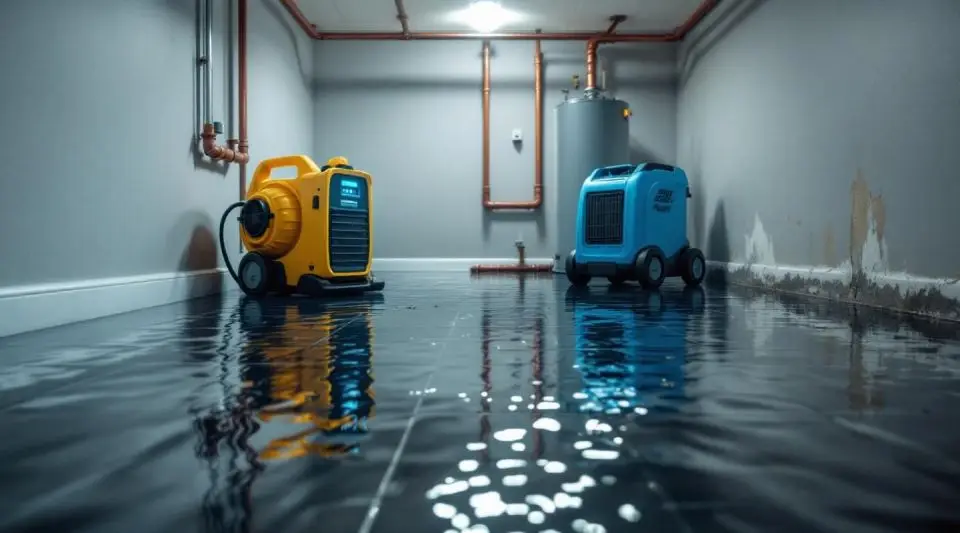
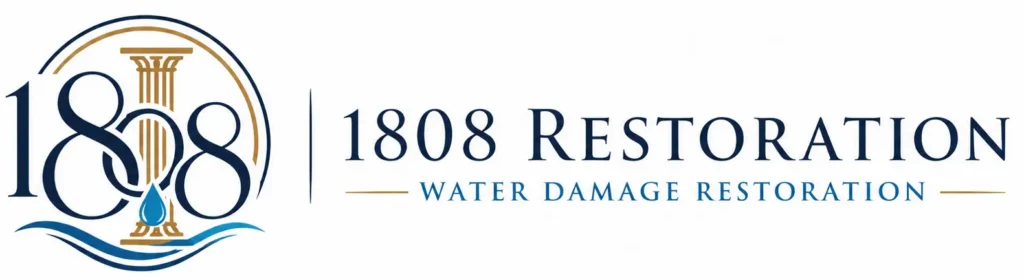
When a pipe bursts under your kitchen sink or a Kona storm pushes water through your sliding glass doors, the clock starts ticking against your home’s structural integrity.
Learn more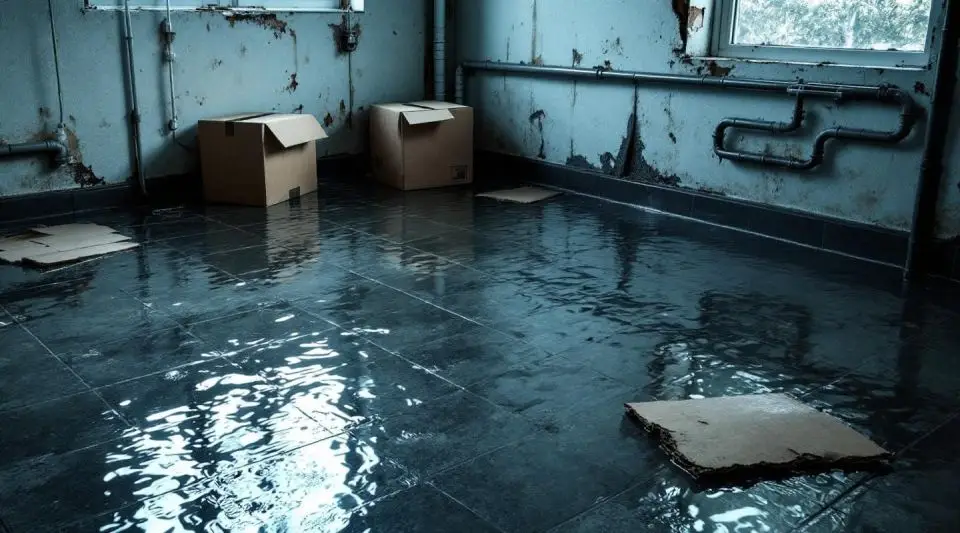
When a Kona storm hits or a trade-wind-driven downpour overwhelms your drainage system, your lower-level living space can transform into a reservoir in minutes.
Learn more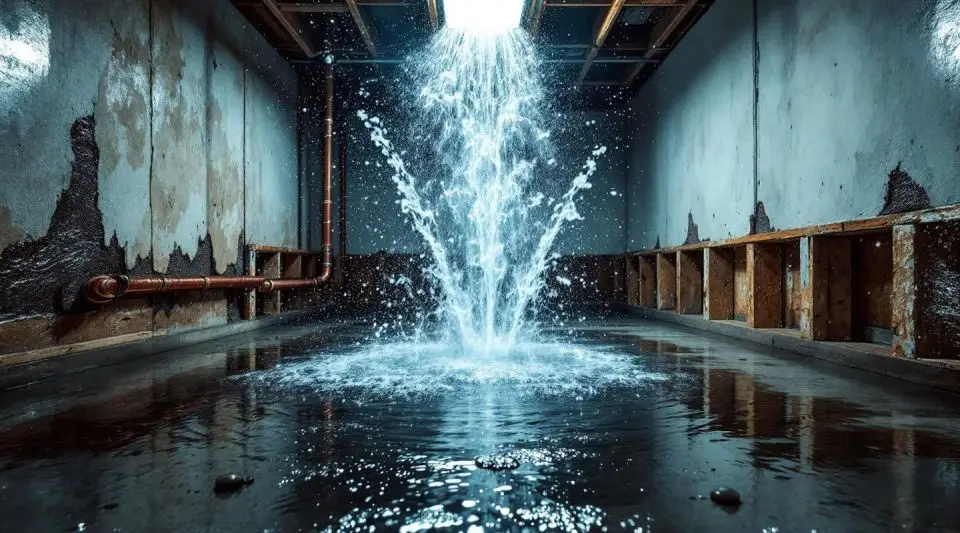
When a pressurized supply line fails, the volume of water released into your Honolulu home can be staggering.
Learn more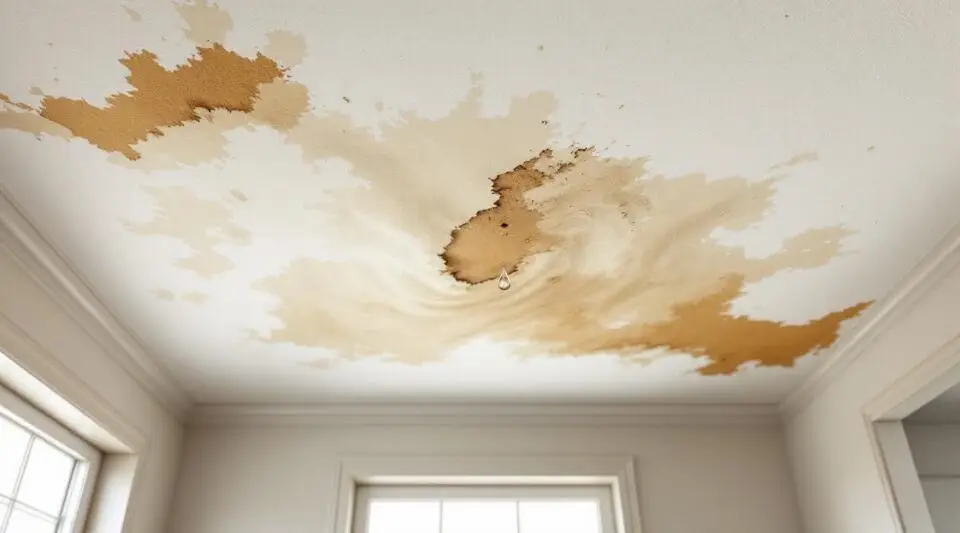
Finding a dark, tea-colored ring on your ceiling or noticing a sudden bulge in the drywall is more than a cosmetic eyesore; it is a signal that water is actively compromising your home’s structure.
Learn more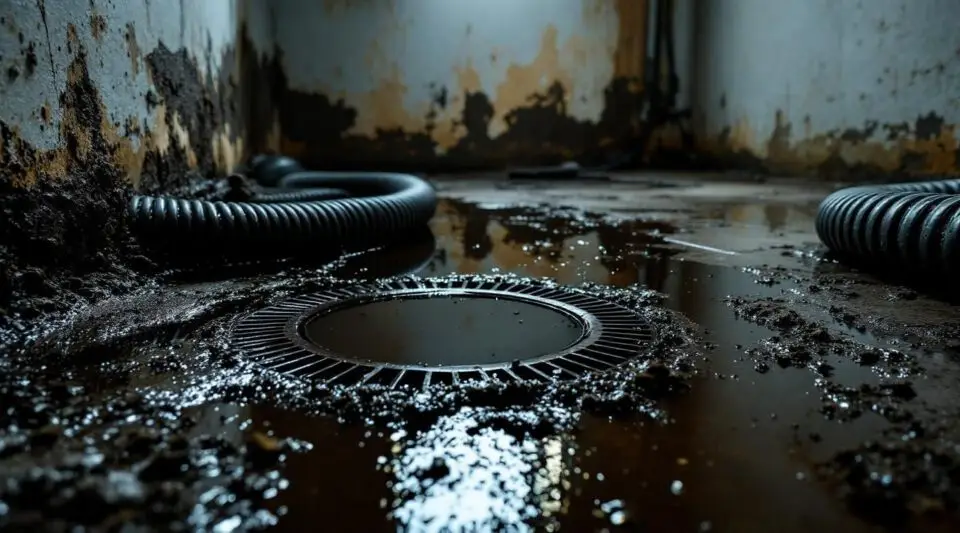
Sewage backups in Honolulu aren't just a household mess; they represent a significant health hazard that requires immediate, professional intervention.
Learn more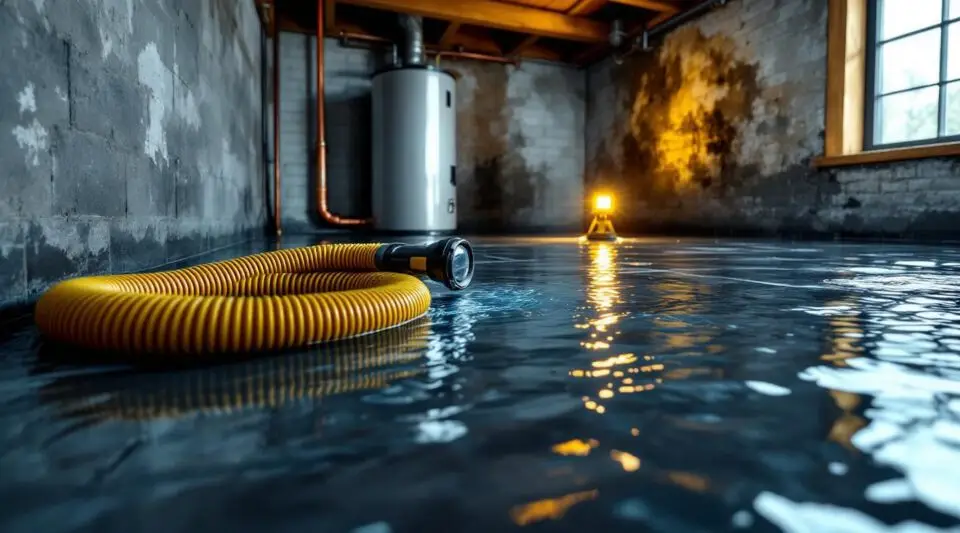
Walking into your living room to find your feet submerged in standing water is a homeowner’s worst nightmare, especially in Honolulu where the tropical climate doesn't do you any favors.
Learn more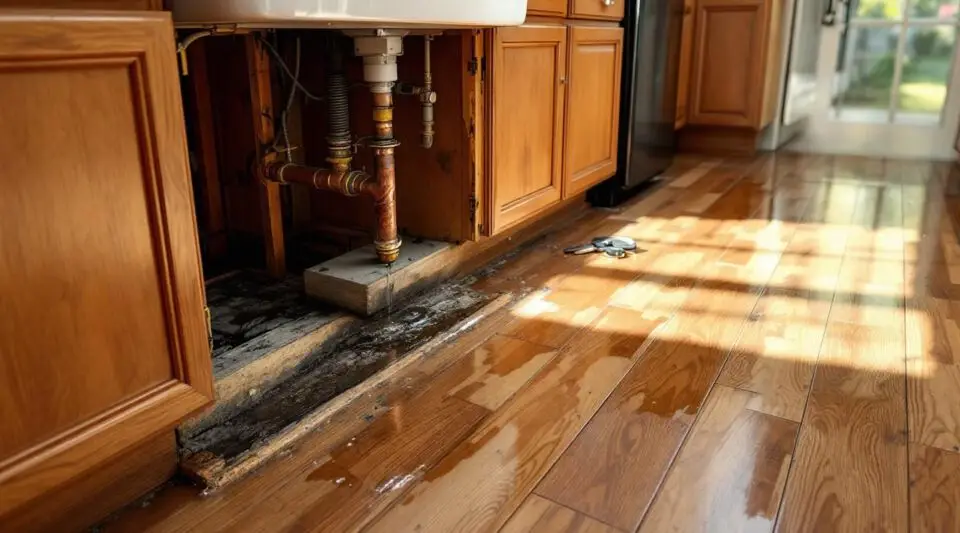
Discovering a pool of water creeping across your kitchen floor at 2 AM is a nightmare scenario for any homeowner.
Learn moreI called 1808 RESTORATION since my house had a small flood. The crew arrived there quickly, looked at the damage, and explained the whole process of fixing it. They worked hard and paid close attention to make sure everything was dried and mended right. I enjoyed how professional and thorough the whole crew was. There were no surprises about the prices, which were straightforward and fair. They also gave fantastic advice on how to keep your home from becoming damaged by water in the future. In general, it was a terrific experience, and I would definitely call them again if I needed to.
Barbara Barnes
When our basement flooded, I was quite happy that they came to help us so quickly. They used heavy tools to get the water out and made sure to look for hidden dampness behind walls and under floors.
Julie Howell
There was a lot of rain at my house, which damaged several of the flooring and walls. Right away, the people who remedy water damage called me back after I called them. First, they emptied the water, and then they tried to dry everything off completely. They did an excellent job and used instruments to detect moist spots that would have been hard to see otherwise. They started to work right away and did a great job cleaning my apartment. They also talked about how their method stops mold and damage from happening in the first place. There was a lot of happiness when the area was finally dry and ready to be mended.
Pamela Nguyen
My water heater broke and flooded my house and I did not know where to start. I called this emergency water restoration company, and they were on it straight away. They performed a fast and effective emergency water removal service and completed a thorough water extraction service. The techs were very pleasant and explained everything well. It really helped to have folks who knew exactly what they were doing.
Cynthia Merriman
I liked that they were honest with us about the water damage in our bathroom. Instead of making the problem sound worse than it was, they focused on doing an excellent job of cleaning and drying everything. A gang you can trust.
Jennifer Cline